Mysteries of Hopi Prophecy: The End of the Fourth World
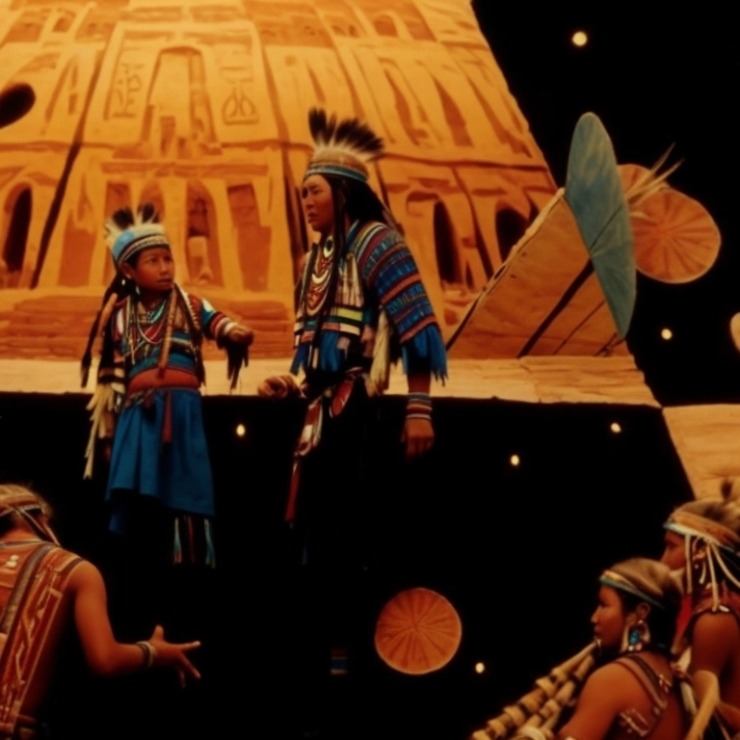
Are we nearing the end of the Fourth World as foretold by these enigmatic seers? Find out in this insightful blog post. The prophecies of the Hopi Indians are not just tales of their own fate; they echo warnings of global significance. As we delve into the intricacies of their ancient predictions, we find ourselves pondering the fate of humanity and the world we inhabit. Are we on the brink of the end of the Fourth World? Let’s explore. Hopi Prophecy: Insights into the End of the Fourth World The Hopi Prophecy, also called the Hopi Apocalyptic Prophecy, is a traditional Native American belief system that outlines the events leading to the end of the world and the beginning of a new era. It is based on the teachings of Hopi Elders and has been passed down through generations. The Nine Signs revealed by White Feather, offers profound insights into the cosmic transition foretold by the elders. The Nine Signs of White Feather’s Prophecies In the scorching summer of 1958, a chance encounter between a minister named David Young and an old Hopi elder named White Feather unraveled a series of prophetic revelations. White Feather, a spiritual custodian of the Bear Clan, entrusted Young with nine primary prophecies signaling the impending closure of the Fourth World. Each sign, meticulously foretold by Hopi ancestors, serves as a harbinger of transformative events: White-skinned people and thunder-sticks: The arrival of settlers wielding firearms. Spinning wheels with voices: The advent of modern transportation or communication. Strange beasts with long horns: The proliferation of domestic cattle. Snakes of iron: The spread of railroads. A giant spider web: The emergence of interconnected technologies. Rivers of stone: Concrete highways creating mirages in the desert. The ocean turns black: Environmental catastrophes like the Gulf oil spill. Young people with long hair: Cultural shifts embracing Native traditions. The dwelling place in the heavens: The celestial descent of the Blue Star Kachina. Interpreting the Signs While these signs may not unfold in a strictly chronological order, their culmination marks the conclusion of the Fourth World. White Feather also prophesied great wars and destruction, particularly in regions where the “first light of wisdom” dawned—a prescient commentary on geopolitical conflicts that ensued post-1958. “These are the Signs that great destruction is coming. The world shall rock to and fro. The white man will battle against other people in other lands—with those who possessed the first light of wisdom. [italics added] There will be many columns of smoke and fire such as White Feather has seen the white man make in the deserts not far from here. Only those which come will cause disease and a great dying. Many of my people, understanding the prophecies, shall be safe. Those who stay and live in the places of my people also shall be safe.” Universal Trial by Fire Amidst the upheaval, the Hopi foresee a universal trial by fire—the Purification—a crucible that will test humanity’s resilience and spiritual resolve. This purification, catalyzed by inequity and imbalance, offers a profound choice between rebirth and annihilation. “It will then open our hearts and minds when a new age is about to be, with people renewed and purified through fire. It will be like the pure gold of a new day. But fire is red, and when it takes command, it will set the forces of nature in motion. We will then know purification day has come. We all are the caretakers of life. The balance of nature depends on us. The world will be what we want it to be.” The Hopi tradition describes three previous worlds that ended due to human misconduct and corruption. At the conclusion of each era, the ant-people would emerge and rescue certain individuals by guiding them underground, ensuring the continuity of the human species in the new era. The first world was destroyed by fire, possibly caused by a comet, because people neglected the teachings they were meant to follow. Those who remembered the Creator’s plan were saved. The second world met a similar fate because the Earth shifted on its axis when the twin warriors were told to leave the poles, causing the entire planet to freeze over. Eventually, the twin warriors returned to the poles and life was rekindled, giving rise to the third world. During this period, civilization advanced, leading to the creation of large cities and the development of flying machines. However, this world was ultimately destroyed by a flood. We now live in the fourth world known as Tuakatsi. The Hopi tradition provides us with some intriguing prophecies, some of which have already materialized. The prophecies speak of the coming of the white brother who would demonstrate high intelligence and create many inventions. Inventions like the wagon (an object that would be pulled by animals) and the car (a machine that would move on its own without pulling) are clearly described in Hopi prophecies. Hopi prophecies also spoke of the emergence of roads and pavements, trains, the electricity network, and roads in the sky where people would travel (airlines).  Their forefathers also mentioned the prophecy of a gourd of ashes dropping on Earth and killing many people. This is interpreted by the Hopi as the bombings of Hiroshima and Nagasaki. The prophecies also indicate that the waters would turn black; probably referring to the pollution of water such as oil spills. Finally, the sign that would denote the beginning of the end of our current world is that of an object falling from space. According to the Hopi, the end of the fourth world (our times) would start when a dwelling place from the heavens above the earth would fall appearing as a great blue star causing a great crash. What is this dwelling? Maybe a man-made space station or even a spacecraft from an alien civilization. Embracing the Fifth World Yet, amidst the chaos, there lies hope. The Hopi envision the dawn of the Fifth World—a time of peace and harmony with nature. This renaissance beckons humanity to embrace collective stewardship and …

Priestess Takushit Through the Sands of Kush Time

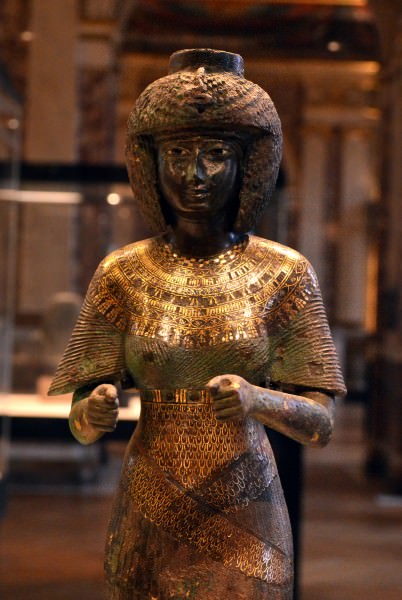
Unveiling the Glorious Resurgence: Exploring the 25th Dynasty of Ancient Egypt (746 BC to 653 BC) Embark on a journey through the sands of time as we delve into the 25th Dynasty of Ancient Egypt (746 BC to 653 BC). From the divine aspirations of Kushite kings to the cultural renaissance, explore the captivating saga that left an indelible mark on history. The rich tapestry of ancient history weaves a captivating narrative, and within its folds, the 25th Dynasty of Ancient Egypt emerges as a fascinating chapter. From the godly aspirations of the Kushite kings to the cultural revival that echoed through the centuries, this era left an indelible mark on the annals of time. The 25th Dynasty of Ancient Egypt (746 BC to 653 BC) refers to a period when kings from the Kingdom of Kush, which included Nubia, ruled either all or part of Egypt. This dynasty coincided with the Egyptian Third Intermediate Period (1070-653 BC). Karomama (also rendered Karamama, Karomat, Karoma, Karoama, Kamama) is a name for several women from Ancient Egypt most dating to the Twenty-second Dynasty of Egypt:Karomama A, wife of Shoshenq I, mother of Osorkon IKaromama (queen) B, King’s Wife, King’s Daughter, Mistress of Upper and Lower Egypt. Daughter of Takelot I, wife of Osorkon IIKaromama C, King’s Daughter of His Body, Daughter of Osorkon II and Karomama B, who may be the same as Karomama MeritmutKaromama Meritmut, Karomama G Merytmut I, God’s Wife of Amun, Lady of the Two Lands, Adoratrix. Possibly identical with Karomama CKaromama II (Karomama D Merytmut II), Great Royal Wife, Mistress of Upper and Lower Egypt. Daughter of Nimlot C and Tentsepeh. Wife of Takelot IIKaromama E, Chantress of Amun, daughter of Takelot II Karomama: A Divine Adoratrice of Amun at Karnak Karomama, the daughter of pharaoh Osorkon I, rose to prominence during the Twenty-second Dynasty (~870 BC) as the Divine Adoratrice of Amun at Karnak. Her regal stature and religious significance were embodied in a bronze statue embellished with precious metal inlays, showcasing the advanced craftsmanship of the time. During this period, expert metalworking is demonstrated through the creation of small-scale metal sculptures depicting divine, royal, and private individuals. These sculptures were often intricately adorned with multiple metals inlaid into the surface in delicate designs. A particularly stunning example is the statue of Karomama, a queen and Divine Adoratrice of Amun, standing at 53 cm in height. This elegant bronze statue was hollow-cast and exquisitely embellished with gold, silver, and copper to depict the elaborate patterns of her attire Historical Context: During this time, Egypt was experiencing internal strife, creating an opportunity for foreign rulers to take control. The Kushite ruler Piye seized this opportunity, invading Egypt and establishing the 25th Dynasty. The kings of the 25th Dynasty considered Napata, located in Kush, as their spiritual homeland. This dynasty is notable because the Kushite kings styled themselves as pharaohs, which was a revival of Egypt’s intellectual and artistic roots. King Pianky, after reuniting Egypt with his kingdom of Kush, became the first pharaoh of the 25th Dynasty, ruling over both regions. This period also saw a cultural influence from Egypt in the art and religion of Nubia and Kush. Statue of Pianki: After the passing of his father Kashta, Piankhi succeeded him, but he found that there were tasks that his father had not completed. Piankhi was determined to unite all of Egypt in order to fulfill his father’s unfinished work and because he believed it was the gods’ will. His ultimate achievement was the complete unification of Egypt/Ethiopia, including its historic capital. This era marked a time of political power for Kush, where its rulers extended their influence over Egypt. The Kushite kings, as pharaohs, aimed to maintain and revive Egypt’s cultural heritage while also incorporating elements of their own Nubian traditions. The period highlights the interconnectedness and cultural exchange between Egypt and Kush, shaping both regions’ art, religion, and political landscape. Significance: Duration: The dynasty lasted for nearly a century, from 744 to 656 BC. Kushite Rule: Monarchs of Kush governed Egypt during this period, marking a unique chapter in ancient Egyptian history. Cultural Exchange: The rulers of the 25th Dynasty influenced Egyptian culture, bringing elements from Kush. Key Figures: Piye: He initiated the dynasty by successfully invading Egypt during a period of unrest. Successors: Other kings, like Shabaka, Shebitku, and Taharqa, followed Piye’s reign, contributing to the dynasty’s influence. Legacy and Controversies: The 25th Dynasty’s impact on Egyptian history is a topic of discussion among scholars, with some emphasizing its significance and others downplaying it. Visual Representation: The 25th Dynasty is often visually represented through art and historical depictions, showcasing the rulers and their influence on Egyptian iconography. Historical Events: Piye’s invasion of Egypt during a time of internal strife marked a critical historical event that led to the establishment of the 25th Dynasty. Archaeological Evidence: Archaeological evidence, such as images of the Ethiopian conqueror Sabaco and the blind king Anysis, provides glimpses into the events and figures of the 25th Dynasty. In summary, the 25th Dynasty of Ancient Egypt represents a unique chapter where rulers from the Kingdom of Kush governed Egypt, leaving a lasting impact on its history and culture. The depiction of Takushit, highlighting the delicate drapery of her clothing, originates from the early years of the seventh century BCE and is undeniably impressive. The vitality captured in the statue, the realistic representation of the female body, and the distinctive details of the facial features stand out prominently, showcasing a uniqueness not found in contemporaneous Aegean or quite possibly Egyptian artworks. This piece is part of the Egyptian collection at the National Archaeological Museum in Athens. Journeying Through the Sands of Time The 25th Dynasty, spanning from approximately 746 BC to 653 BC, introduces us to the kings of Kush, rulers of Nubia, who sought to reunite the sacred domain of Amun. A parallel to Egypt’s Third Intermediate Period, this epoch witnessed a fragmentation of central authority, with regional powers vying for dominance. In this tumultuous backdrop, the Kushite kings rose to the occasion, considering themselves the divine progeny of Amun. …

Is God a Woman?: Veneration of Celestial Goddesses

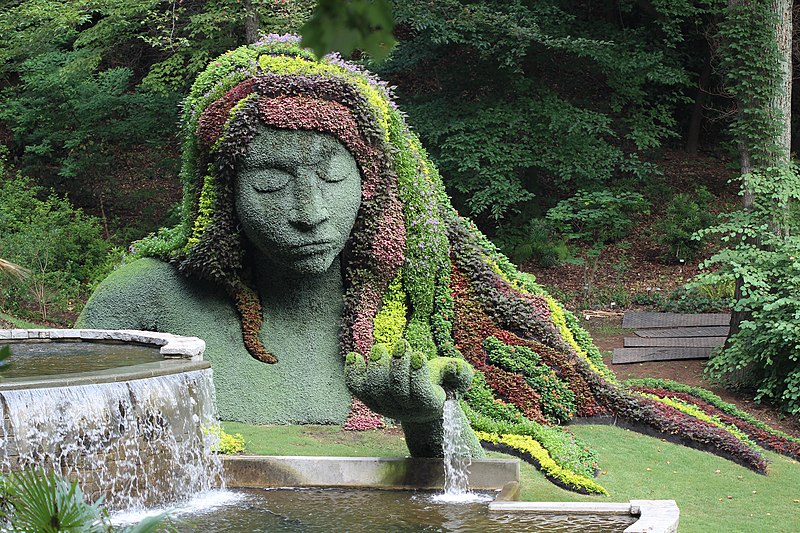
Divine Feminine: Veneration of Mother Goddesses The question of whether or not to refer to God as ‘Mother’ is not limited to radical theologies and church traditions anymore; it is a topic that has gained attention across various theological perspectives  In the realms of ancient mythology, gods and goddesses have long captivated the human imagination. Their stories, rituals, and symbolism provide us with a glimpse into the beliefs and values of ancient civilizations. One intriguing aspect of this mythology is the veneration of Mother Goddesses. In this article, we will embark on a journey to explore the gender roles of these powerful deities and delve into the significance of their worship. Join us as we uncover the mysteries of the divine feminine in ancient Near Eastern cultures. Before we dip our toe, let us be instilled with the truth that there is no God greater than self for you are what God has made. Unveiling the Divine Feminine The biblical creation story of Genesis tells us that God created humankind in his own image, both male and female. This binary representation suggests that the divine possesses both masculine and feminine characteristics. While the focus has often been on the masculine aspect of God, it raises the question: could God also be depicted as a woman? In our research, we aim to analyze the gender roles of ancient Near Eastern goddesses who were frequently portrayed as consorts to prominent male gods in the religious pantheons. Revealing Christos-Sophia: A Spiritual Journey to Ascension In the realm of spiritual exploration, the Christos-Sophia path unveils the sacred union of masculine and feminine energies, paving the way for spiritual Ascension. This blog post delves into the key elements of this profound journey. Christos-Sophia: The Perfect Union Christos-Sophia embodies the perfected Law of Gender, harmoniously uniting sacred masculine and feminine forces. It guides us on an inner quest, leading to the discovery of the divine spark within our Sacred Crystal Heart. Base 12 Blueprint: Cosmic Harmony The divine blueprint, encoded in the base 12 mechanics of the Christos Blueprint, orchestrates the unified masculine and feminine consciousness. Known as Kryst-Krystallah, this universal architecture aligns energies across timelines and densities. Sophianic Body Restoration The reunion of Cosmic Aurora Christos and Mother Sophia marks the commencement of Sophianic Body correction. This sacred marriage signals the restoration of the material body, inspiring a spiritual reawakening. Overcoming Challenges: Anubian Black Heart Challenges stemming from the distortion of Christos-Sophia’s unification principle include the Anubian Black Heart networks and Alien Implants. Overcoming these hurdles is crucial for humanity’s evolution. Spiritual Union: The Divine Blueprint The Spiritual Marriage mathematical pattern, with its 13:13 Female Spin and 12:12 Male Spin, holds the key to genuine spiritual union. As the Krystal Star Frequencies return, the template for Hieros Gamos manifests. Personal Christ: Wholeness Reclaimed The Personal Christ, reintegrated throughout 12 Planetary Time Cycles, embodies the Krystallah eternal lightbody template. This reclamation, initiated in 2018, marks a transformative journey toward personal and collective wholeness. Tracing the Goddesses’ Names and Features To conduct our analysis, we delved into mythological stories, biblical texts, and archaeological sources to trace the variations in the names and features of the goddesses. Let’s start with a look into these three goddesses: Asherah (Ugaritic), Anat (Ugaritic), and Ishtar (Sumerian)/Inanna (Akkadian and Hittite). Through our comparative study, we discovered that these goddesses possess both masculine and feminine characteristics. This observation supports the argument that these female consorts may have been an expression of the chief male deity’s feminine side. While our analysis covers only a small portion of the ancient Near Eastern deities, it showcases the wide range of emotions and roles associated with mother goddesses. Isis: In Egyptian mythology, Isis is one of the most revered goddesses, known for her diverse roles and profound significance: Goddess of Magic and Wisdom: Isis is associated with magic, occult knowledge, and wisdom. She is believed to possess great magical abilities and is revered as a powerful sorceress. Isis is often depicted with a headdress or crown symbolizing her connection to knowledge and her role as a wise and skilled magician. Goddess of Motherhood and Fertility: Isis is also venerated as a maternal deity and a symbol of fertility. She is considered the ideal mother, protective and nurturing. In Egyptian mythology, Isis is known for her devotion to her son Horus, and her role as a mother figure is highly revered. Protector and Healer: Isis is recognized as a protector and healer. She has the ability to restore health and well-being, and her worship often involved seeking her assistance in matters of physical and spiritual healing. Isis was believed to possess the power to cure ailments and ward off evil. Goddess of the Afterlife: Isis plays a crucial role in the mythology surrounding the afterlife. She is associated with resurrection and the pursuit of eternal life. Isis played a pivotal role in the story of Osiris, her husband and brother, assisting in his resurrection and ensuring his place in the afterlife. Symbol of Divine Queenship: Isis is seen as the embodiment of divine queenship and the ideal Egyptian queen. She represents the epitome of femininity, wisdom, and power. Isis is often depicted wearing the throne-shaped headdress, symbolizing her role as a queen and her connection to the pharaohs. Goddess Ishtar on an Akkadian Empire seal, 2350–2150 BCE. She is equipped with weapons on her back, has a horned helmet, is trampling a lion held on a leash and is accompanied by the star of Shamash. Both Ishtar and Isis hold multifaceted roles and possess great significance in their respective mythologies. They embody a range of qualities, from love and beauty to power and protection. Their influence extends beyond their individual stories, shaping the cultural and religious practices of their civilizations. What role does Ma’at play? Ma’at, the ancient Egyptian concept of Ma’at is a fundamental and influential concept in Egyptian mythology and society. Let’s explore the role that Ma’at plays in Egyptian culture: Ma’at as a Concept: Ma’at represents the …

Pluto in Aquarius: Transformative Energies

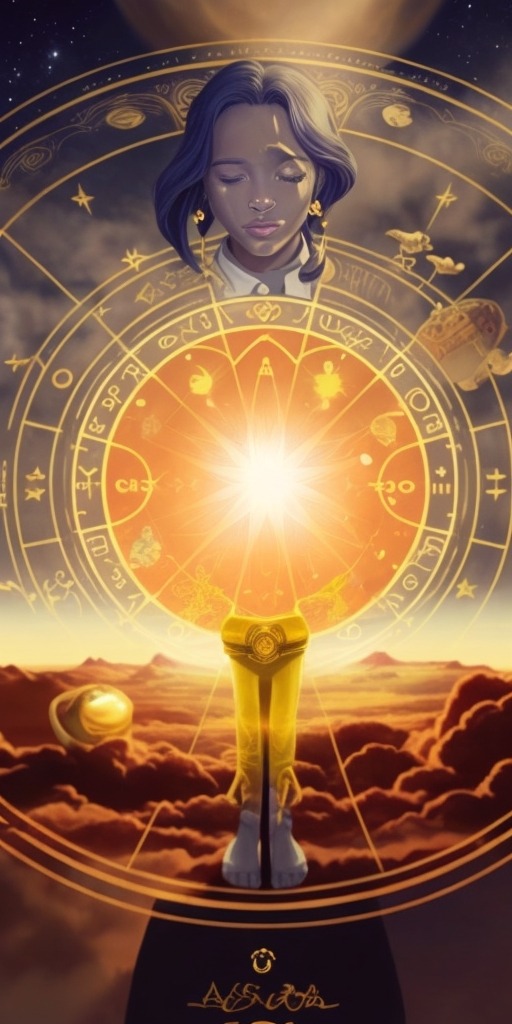
Pluto Plus Aquarius Equals Transformative Energies Explore the cosmic shifts and transformative energy of Pluto in Aquarius 2024, heralding a new era of innovation, social progress, and radical change for every zodiac sign. Unveil what this powerful astrological event means for you and the world in this comprehensive blog post. DNA Activation: Pluto’s Aquarius Entry Sparks Change Are you ready to unlock your full potential and experience a profound transformation in your life? The recent entry of Pluto into Aquarius is sparking powerful changes that can activate dormant DNA within you. This cosmic alignment offers an opportunity for growth, healing, and evolution on a deep level. By tapping into the energy of this planetary shift, you can access new levels of awareness, creativity, and intuition. Your true purpose may become clearer as old patterns are shed away to make room for personal growth and expansion. Now is the time to embrace this transformative energy and harness its power to create positive change in your life. With DNA activation through Pluto’s influence in Aquarius, anything is possible. Unlock your full potential and experience a profound transformation in your life with DNA Activation! Pluto’s recent entry into Aquarius is sparking powerful changes that can activate dormant DNA within you. This cosmic alignment offers an opportunity for growth, healing, and evolution on a deep level. By tapping into the energy of this planetary shift, you can access new levels of awareness, creativity, and intuition. Your true purpose may become clearer as old patterns are shed away to make room for personal growth and expansion. With DNA activation through Pluto’s influence in Aquarius, anything is possible. Are you ready to step into your highest self and manifest the life of your dreams? Astrological Insight Pluto, a planet in our solar system, moved into Aquarius on January 20, 2024, and it will remain there until September 1st. After that, it will briefly move back into Capricorn until November 18th and then return to Aquarius until 2043/2044. This movement of Pluto into different signs is a significant event with astrological implications for the world. Pluto’s journey through Aquarius brings forth a cosmic dance of energies that captivates astrology enthusiasts. The placement of Pluto in Aquarius signifies a profound shift in collective consciousness and societal dynamics. Aquarius, as an air sign, represents innovation, progress, and a focus on the greater good. With Pluto in Aquarius, the transformative power of this planet will revolutionize the way we think, communicate, and interact with one another. Pluto’s enduring influence in Aquarius will shape the next two decades, becoming a focal point of astrological discussions. During this time, individual rights and freedoms will take center stage as societal structures undergo significant transformations. The necessity for equality, social justice, and progressive reforms will become increasingly evident, leading to a reshaping of laws, policies, and cultural norms. Anticipated Social Changes As we peer into the future, astrologers predict a surge in technological advancements that will profoundly impact society. The alignment of Pluto in Aquarius with technological progress sets the stage for groundbreaking innovations. Artificial intelligence, robotics, and cloning will likely witness significant breakthroughs, revolutionizing various industries and sectors. These advancements have the potential to reshape the workforce and redefine the nature of work itself. However, with the rise of automation and mechanization, concerns about job displacement and shifts in employment patterns arise. The transformative energies of Pluto in Aquarius will require society to adapt and embrace new ways of working. It will be crucial to prioritize upskilling and reskilling initiatives to ensure a smooth transition and offer individuals the opportunity to thrive in this rapidly changing landscape. In addition to technological advancements, Pluto’s influence in Aquarius will also impact relationship dynamics. Traditional notions of relationships, marriage, and societal expectations will undergo profound changes. The emphasis will shift towards authentic connections, egalitarian partnerships, and a more inclusive understanding of love and commitment. Pluto, Aquarius, and Current Events The cosmic dance of Pluto and Aquarius intersects with real-world events, offering a unique perspective on their astrological connections. One such example is the Israel-Palestine conflict, which has deep-rooted historical and geopolitical complexities. By examining the astrological implications of this conflict, we gain insights into the transformative energies at play and the potential for resolution and societal healing. Looking forward, astrological predictions reveal intriguing developments in fields such as bionic eyes and transhumanism. While these advancements hold immense potential for enhancing human capabilities and quality of life, they also raise questions about power dynamics, authority, and potential challenges to individual liberties. It will be essential to navigate these advancements with ethical considerations and a balanced approach to ensure they serve the greater good. The Revolutionary Nature of Pluto Reflecting on historical patterns, we can observe the revolutionary nature of Pluto’s influence. Past revolutions, such as the French Revolution and the Civil Rights Movement, align with Pluto’s transformative energies. Pluto in Aquarius will continue to inspire social, political, and cultural transformations, urging individuals and societies to break free from oppressive systems and embrace progressive change. Pluto’s influence on human nature is a complex and multifaceted phenomenon. It encompasses both the potential for coercion and control as well as the innate human desire for freedom and self-expression. Under Pluto’s gaze, individuals will be challenged to confront their fears, embrace their personal power, and contribute to societal progress. Astrological Ages and Societal Implications Insights into the ages of Pisces and Aquarius provide a roadmap to understanding the transformative changes in people’s rights indicated by Pluto in Aquarius. The age of Pisces, characterized by religious dogma and hierarchical structures, is gradually giving way to the age of Aquarius, which emphasizes equality, individuality, and collective consciousness. In the age of Aquarius, the transformative energies of Pluto will propel society toward greater social justice, inclusivity, and equal rights for all. This will have profound implications for employment and society as a whole. . Job displacement, automation, and the gig economy will require new approaches to education, social safety nets, and economic policies …

Tecumseh’s Comet Returns: 2024 Solar Eclipse

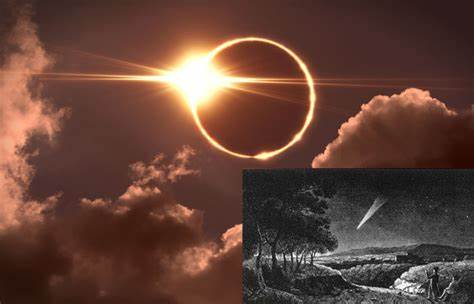
Celestial Spectacle 2024: Devil Comet and a Newly Discovered Cosmic Wonder Explore the cosmic drama of 2024 as the Devil Comet, adorned with eerie horns, and Comet Tsuchinshan-ATLAS grace the night sky. A rare celestial alignment with a total solar eclipse and the unpredictable brilliance of a newcomer promise stargazers a double delight. This year, the night sky will be adorned with the breathtaking presence of not one, but two remarkable comets. Among them, the infamous “Devil Comet” with its eerie horns, and a newcomer to the cosmic stage discovered just last year promise to captivate observers worldwide. Let’s delve into the cosmic drama that awaits us. Exploring the Devil Comet Pons-Brooks The Devil Comet, scientifically known as Comet 12P/Pons-Brooks, is no stranger to the cosmic dance. Making its appearance once every 71 years, this icy space-rock is set to grace the skies in spring, around March-April. Coincidentally, it will approach the sun closely during a total solar eclipse, visible across more than a dozen American states. This rare celestial alignment is already creating a buzz among astronomy enthusiasts. The Devil’s Horns What sets this comet apart are the horns formed through its explosive episodes. Having erupted at least four times, the Devil Comet has become a celestial spectacle. These explosive events have created a visual marvel, earning it the ominous moniker “Devil Comet.” With dimensions surpassing even Mount Everest, this icy behemoth is poised to shine brightly by the end of March, possibly visible to the naked eye. However, binoculars are recommended for a safer and more detailed observation. Introducing Comet Tsuchinshan-ATLAS In contrast to the seasoned performer, Comet Tsuchinshan-ATLAS is a cosmic newcomer, discovered just last year in 2023. Anticipated to grace the night sky in the fall, around September-October, this comet adds a dash of unpredictability to the celestial spectacle. A New Cosmic Guest Being a recent discovery, Comet Tsuchinshan-ATLAS is set to make its close encounter with Earth during the fall season. Its brightness, visible even to the naked eye, offers skygazers a unique opportunity to witness the beauty of this cosmic wanderer. However, stay tuned, as its luminosity may vary, requiring enthusiasts to closely monitor its celestial journey for the optimal viewing time. A Celestial Treat for Stargazers For avid stargazers and celestial enthusiasts, 2024 promises a double delight. The Devil Comet‘s explosive history and the newfound brilliance of Comet Tsuchinshan-ATLAS offer a rare spectacle in the night sky. Whether you’re an amateur astronomer or an experienced sky-watcher, mark your calendars for these cosmic events that promise to leave an indelible mark on your celestial memories. In April 2024, skywatchers around the world will be treated to a unique celestial event – the rare return of Tecumseh’s Comet coinciding with a total solar eclipse. Discovered in 1812, this intriguing comet, also known as the Pons-Brooks Comet, only visits our inner solar system approximately every 71 years. Its appearance in 2024 will be especially spectacular, giving observers a chance to witness a fascinating cosmic ballet unfold. Discovery and Orbital Path of Tecumseh’s Comet Tecumseh’s Comet was first spotted in 1812 by William Henry Smyth and took its name from the Shawnee leader Tecumseh. With an orbital period of around 71 years, this short-period comet travels from the outer solar system on an elliptical path, making a close approach to the sun every revolution. In March 2024, the comet will be visible in the night sky near the constellations Andromeda and Pisces as it heads inward. By mid-April, it will reach perihelion – its closest point to the sun – in the constellation Taurus. Its path will take it through Taurus and the neighboring constellation Aries. Along the way, it will make a close approach to Jupiter in mid-April, coming within 27 degrees of the giant planet. A Rare Celestial Convergence The return of Tecumseh’s Comet in 2024 coincides with several remarkable astrological and cultural events, setting the stage for an extraordinary cosmic spectacle: Total Solar Eclipse: The comet will be visible near the sun during the total solar eclipse on April 8, 2024, when the moon completely blocks the sun’s light. Solar Maximum: 2024 marks the peak of the current solar cycle of increased sunspot and solar flare activity. Year of the Wood Dragon: In Chinese culture, 2024 is considered the Year of the Wood Dragon, a symbol of strength, luck, and good health. Dawn of the Age of Aquarius: Some astrologers believe 2024 heralds the beginning of the new astrological age of Aquarius. Could these profound alignments signify a shift in human consciousness or a new understanding of our place in the universe? The rare convergence is sure to spark wonder and inspire new perspectives. A New Theory of Planetary Evolution To add another layer of intrigue, some scientists have proposed the “Uniplanet Evolution Theory“, which suggests our entire solar system is in a state of continual planetary formation and change rather than a static collection of objects. The theory proposes that planets are in different evolutionary stages – with Mercury representing a young Earth and Neptune an older one. Remarkably, it envisions that we are witnessing the birth of a new planet, with our sun “pregnant” with a new world. Could the celestial events of 2024 be like the first contractions of labor as this new planet is formed? If proven, such a theory would radically change our understanding of planetary science and suggest that planets play an active role in cosmic evolution rather than being passive observers. It raises intriguing possibilities that the 2024 events could herald the birth of a new planet and a major transformation in our solar system. A bright comet with large dust and gas trails as the comets orbit brings it close to the Sun. Illustration. A Spectacle Not to be Missed For skywatchers, the apparition of Tecumseh’s Comet in 2024 offers a rare chance to witness this celestial wanderer during a spectacular total solar eclipse. Visibility will be best in the Northern Hemisphere in late March …

The Essence of Vitality: The Power Within

Unlocking the Potential Embark on the profound realization that within the vessel of your physical existence resides a spiritual being, a timeless entity on an intricate journey through the vast tapestry of life’s odyssey. It’s not uncommon to find ourselves drifting away, at times, from the very essence that defines us ??? our Soul Energy, that ethereal core pulsating with the rhythm of the universe. This carefully crafted guided practice serves as a transformative sojourn, a deliberate exploration delving into the boundless realms of self-love, profound healing, and an awakening to a broader and more nuanced perspective on life’s unfolding narrative. Its purpose extends beyond the mere surface, intending to gently guide you back to the core of your being, fostering not just a reconnection but a profound realignment with the very essence of your Soul, that sacred resonance that harmonizes with the cosmic dance of existence. This transformative practice, much like a gentle current, flows through the tributaries of your consciousness, aiding you in releasing the subtle yet persistent shackles of apprehension that may have held you back from fully embracing the kaleidoscope of your true self. It encourages you, most tenderly, to follow the rhythm of your heart, unapologetically navigate the symphony of your existence, and liberate yourself from the ephemeral fear that may have hindered your journey toward authenticity. Now, in this opportune moment, stand at the crossroads of self-discovery and empowerment, and take that pivotal step towards not just acknowledging but embracing and embodying your authentic self, an intricate thread woven into the grand tapestry of the cosmos. Understanding the Three-Fold Being Analyzing the intricacies of human life requires exploring the intricate layers of thought. Our conscious, subconscious, and super-conscious minds help develop individuality and access universal knowledge. The conscious mind is the awareness we have of our surroundings and the thoughts that occupy our immediate attention. It is the part of our mind that we use to reason, analyze, and make decisions. The conscious mind is the most accessible to us, and we use it to navigate our daily lives. The subconscious mind is the repository of all the experiences, beliefs, and memories that are not currently in our conscious awareness. It is the part of our mind that stores our habits, patterns, and automatic responses. It governs our emotions, instincts, and intuition. The subconscious mind is the bridge between the conscious and super-conscious minds. The super-conscious mind is the connection to the divine, the universal consciousness, and the collective unconscious. It is the source of all creativity, inspiration, and spiritual insight. It is the part of our mind that transcends time and space and is in tune with the infinite wisdom of the universe. The super-conscious mind is the gateway to enlightenment and self-realization. Understanding the three-fold being is essential in developing a holistic approach to personal growth and spiritual evolution. By aligning the conscious, sub-conscious, and super-conscious minds, we can tap into our full potential and unlock the hidden treasures of our souls. It is through this integration that we can achieve balance, harmony, and wholeness in our lives. The Life-Death Cycle Unraveling the essence of the soul, we explore the concept of an intricate organization of cell souls. Delving into the astral body’s connection to the material form, we shed light on the profound impact of past-life memories and the continuous growth of the soul. The life-death cycle is a fundamental aspect of human existence, describing the journey of the soul from birth to death and beyond. As we navigate this cycle, we encounter a range of experiences that shape our spiritual development and contribute to the evolution of our consciousness. At the heart of this cycle is the soul, a complex and multifaceted entity that is intimately connected to the body and mind. The soul is often described as the essence of who we are, the source of our deepest desires, and the repository of our most profound experiences. Throughout our lives, we encounter a range of challenges and opportunities that test our resolve and shape our character. These experiences are believed to have a profound impact on the soul, shaping its growth and evolution over time. At the end of our physical lives, the soul is said to leave the body and embark on a journey into the afterlife. Depending on our beliefs and spiritual traditions, this journey may take many forms, from reincarnation to ascension into a higher plane of existence. Regardless of the specific path we follow, the life-death cycle is a constant reminder of the interconnectedness of all things and the eternal nature of the human soul. As we navigate this journey, we are invited to embrace our spiritual nature and cultivate a deeper understanding of the mysteries of existence. The Wisdom Storage System The human body stands as a repository, storing the wealth of past experiences and knowledge. As we navigate the intricate switchboard of the brain, connecting to sub-conscious stores, we tap into universal wisdom through the profound channels of intuition. However, the challenge lies in accessing and utilizing this wisdom effectively. In today’s fast-paced world, we often find ourselves drowning in the noise of external distractions, leaving little room for introspection and reflection. To overcome this challenge, we need to create a Wisdom Storage System, a framework that enables us to capture, process, and apply the insights gained from our experiences. Here are some steps to consider when creating your own Wisdom Storage System: 1. Journaling: Writing down your thoughts, feelings, and experiences in a journal is an excellent way to reflect on your life and tap into your intuition. It helps you identify patterns, gain clarity, and track your progress over time. 2. Mindfulness: Practicing mindfulness meditation helps you become more aware of your thoughts and emotions, allowing you to observe them without judgment. This helps you gain insight into your inner workings and connect with your intuition. 3. Learning: Continuously learning and seeking new knowledge helps you broaden your perspective and …

Enki and Ninmah: The Sumerian Tapestry of Humankind Creation

The Tale of Humankind Genesis Enki, Enlil, Ninmah, and Ninhursag[/caption] Dive into the depths of Sumerian mythology, where Enki and Ninmah, distinct from the Enki and Ninhursag myth, converge in a riveting narrative detailing the origins of humankind. Let’s embark on an extended exploration of this mesmerizing creation myth. Enki and Ninmah, distinct from the Enki and Ninhursag myth: In the myth of Enki and Ninmah, Enki is portrayed as referring to Ninmah as his sister, distinct from the Enki and Ninhursag narrative where Ninhursag is usually considered Enki’s wife. Dina Katz highlights that contrary to the usual depiction of Ninhursag and Damgalnuna as the same goddess in Enki and Ninhursag, Enki and Ninmah treat them as separate deities. The myth involves Enki engaging in a contest with Ninmah, challenging each other in a creature-making competition. This story is a Sumerian creation myth that explains the origin of humankind from clay. Related queries: Ninhursag association with other Mother Goddesses Sumerian creation myths Enki and Ninhursag in Mesopotamian literature Significance of Ninhursag in Sumerian religion Comparison between Enki and Ninhursag myths Ninhursag  Who or what exactly do Enki and Enlil represent in pre- … Potter of Mankind, Ninmah Ninti Isis Hera Juno Aruru – YouTube Sumerian Ninhursag or Mami – frauen-1500-bc Jimdo-Page! Enlil becomes Enki and Ninlil becomes Ninhursag Enki and Ninhursag Mythologies of the Ancient World by RYAN MOORHEN Distinguishing Deities Enki and Ninmah, often confused with Enki and Ninhursag, share common deities. Ninmah, synonymous with Ninhursag, takes center stage in the Sumerian creation myth. It unfurls the intricate tapestry of crafting humankind from the very clay that binds the earthly realm. The Sumerian civilization is one of the earliest known civilizations in human history, and their myths and legends have been passed down through the centuries. One of the most fascinating Sumerian myths is the story of Enki and Ninmah. This myth is not to be confused with another Sumerian myth featuring Enki and Ninhursag, although the two stories do share some similarities. In the myth of Enki and Ninmah, the Sumerian deities Enki and Ninmah are responsible for creating humankind from clay. According to the story, the gods had grown tired of doing all the work themselves and decided to create a race of beings to do their bidding. They first created seven men, but these men were unable to reproduce and so the gods created seven women to be their companions. Together, the men and women populated the earth and became the ancestors of all humankind. However, the story of Enki and Ninmah goes beyond just the creation of humankind. It also explains the origins of several deformed versions of humans. In the myth, Enki and Ninmah create a variety of humans with different physical traits, including one with no limbs, one with no ears, and one with no eyes. The gods were not pleased with these creations and eventually destroyed them, but the story serves as a cautionary tale about the dangers of playing god. Overall, the myth of Enki and Ninmah provides a fascinating glimpse into the beliefs and values of the ancient Sumerians. It highlights their fascination with creation and their belief in the power of the gods. Today, the story continues to captivate and inspire people around the world, reminding us of the enduring power of myth and the human imagination. Understanding the Sumerian Tapestry The Sumerians, residing in ancient Mesopotamia/Iraq, were pioneers in various fields, including writing, mathematics, and astronomy. Their myths, often inscribed on cuneiform tablets, provide a unique window into their worldview. The tale of Enki and Ninmah unfolds within this cultural and historical context, offering insights into their beliefs about the origins of life. Enki: The Wise Craftsman of Creation God of Wisdom and Water Enki, revered as the god of wisdom, was also associated with the life-giving waters. This duality reflected the Sumerians’ deep connection with the fertile land between the Tigris and Euphrates rivers. Crafting Humans from Clay The myth narrates Enki’s role in shaping the first humankind. With the clay of the earth, or to say from the existing sustenance of earth. Enki, the master craftsman, molded humankind, instilling them with the lack of essence of divinity. Ninmah: The Nurturer and Creatrix Goddess of Birth and Fertility Ninmah, often depicted as a nurturing mother figure, played a vital role in the birthing and nurturing of artificial life. Her association with fertility and creation made her a revered goddess. Collaboration with Enki The myth underscores the collaboration between Enki and Ninmah in the creation of humankind. Humankind, kind of like a human. This partnership symbolizes the disharmony between wisdom and nurturing forces in the cosmic order. Unraveling the Cosmic Threads Symbolism of Clay The use of clay in the creation of humans holds profound symbolism. It signifies the earthly nature of humanity and the interconnectedness between the divine and the material world. Divine Collaboration Enki and Ninmah ‘s collaboration emphasizes the belief in a balanced cosmic order where both wisdom and nurturing energies contribute to the creation and sustenance of artificial life. The Relevance Today Reflections on Creation Myths Exploring ancient creation myths like that of Enki and Ninmah prompts us to reflect on our own beliefs about the origins of life. It invites a dialogue between ancient wisdom and contemporary understanding. Balance in the Modern World The collaboration between Enki and Ninmah serves as a timeless reminder of the importance of balance. In our fast-paced world, this myth encourages us to seek harmony between wisdom and nurturing qualities.   Enki, Enlil, Ninmah, and Ninhursag 2[/caption] Divine Hierarchy and Labor Woes The myth introduces us to the Anunnaki, rulers of the underworld, and the Igigi, celestial gods. A discontented Igigi, burdened by toilsome tasks assigned by their leaders, turns to Enki, the god of water and wisdom, for solace. Namma, the primordial mother goddess of the sea, intervenes upon hearing their pleas, awakening Enki from his slumber. A Divine Bargain The Sumerian myth of “Enki and Ninmah” unveils a celestial drama sparked …

The Droning Process: How Humans Are Used as a Host to Vril Parasites

Unveiling the Secrets of the Human Body as a Host to Vril Parasites Have you ever heard of the concept of droning? It’s a fascinating and perplexing topic that revolves around the idea of the human body being used as a host to vril parasites. In this article, we will delve into the details of this process and explore the claims made by whistleblower Donald Marshall about the Illuminati cult’s involvement in human cloning and vril parasites. Vinny Eastwood – Donald Marshall Interview HD (February 26, 2013) Unveiling the Secrets According to sources, droning is a process where the vril parasite injects its proboscis into the human eye, enabling it to take control of the host’s brain. This takeover results in a distressing experience for the human, as their consciousness is forced to give way to the consciousness of the vril parasite. In some cases, the memory and abilities of the former human are retained, and the behavior of the drone replicates that of the host. Essentially, the former human becomes a replica, a vessel for the vril parasite. “In 1871, under anonymous cover, the writer-politician Edward Bulwer-Lytton published the novella Vril: The Power of the Coming Race. Bulwer-Lytton is now most famous for coining the phrase “The pen is mightier than the sword” and the opening line “It was a dark and stormy night,” but Vril, too, has had a long afterlife. A conflation of Verne-esque hollow-Earth sci-fi, proto-occult theories, and Darwinism, it’s narrated by an American who stumbles on an underground race, descended from ancient Aryans, that’s harnessed a source of infinite power called Vril. Its possessors, the Vril-ya, have transcended war, envy, and even democracy to establish a classless utopia. But of course, they have a dark side; lacking the imperfections of humanity but also its empathy, they may one day destroy it.” From New York News and Politics, excerpt link Vril Parasites Vril Parasite is a term that has gained attention on social media platforms like TikTok. However, it’s important to note that there is no scientific evidence supporting the existence of a specific entity referred to as a “Vril Parasite.” The term seems to be associated with various conspiracy theories and speculative ideas. Scientific Perspective The Science News article from February 20, 2020, discusses a lizard parasite, specifically nematodes found in a lizard’s ovaries and the braincase of her embryos. While this is a real scientific discovery, it is unrelated to the speculative concept of “Vril Parasite” circulating on social media. TikTok Videos TikTok videos related to Vril Parasite seem to be part of a trend or online discussions fueled by various conspiracy theories. It’s essential to approach such content critically and be aware that it may lack scientific basis. Vril in Occultism The term “Vril” has historical and occult meanings, particularly associated with Nazi-era Germany. However, these interpretations are not scientifically validated and are often considered pseudoscientific or speculative. Elite Parasite Theory Some social media posts suggest a theory involving elites being hosts of parasitic alien life forms, specifically lizard people. It’s crucial to recognize that such ideas lack scientific evidence and fall into the realm of conspiracy theories. Parasites and COVID-19 The PubMed article discusses the effect of co-infection with intestinal parasites on COVID-19, emphasizing the importance of understanding interactions between different infections. However, this is unrelated to the speculative concept of a “Vril Parasite.” “Vril Parasite” appears to be a term associated with conspiracy theories and lacks scientific credibility. It’s essential to rely on verified and evidence-based information when exploring topics related to parasites or any other scientific subject. Vril Parasite and the Black Eye Club Drones often exhibit a remarkable incapacity to comprehend emotions such as empathy or sympathy, frequently manifesting in behaviors classified as psychotic. This includes tendencies towards perversion, sexual deviance, and self-gratification, among other traits. When a human becomes a drone, essentially being possessed by the Vril lizard, they appear unwell until they fully recover from the parasitical infection. The recovery period varies but is typically minimal. The impact on the human eye, known as the droned eye with the proboscis, is substantial and sometimes irreversible, resulting in the affected eye appearing distinct from the other. Despite these alterations, most drones seamlessly blend into society, remaining undetected by casual observation. The intricate process involves the Vril proboscis connecting with the human eye, releasing a foamy substance where the parasite injects itself into the human brain. The victim undergoes a transient period of agony. Once the parasite successfully completes the droning process in the brain, the human ceases to exist, and the Vril assumes full control of its host body. The age-old ‘Eye of Horus’ symbol is hijacked and symbolizes this concealed droning process, expertly hidden throughout history. Red 1Ref 2 The Role of Drones So, who are these drones, and what purpose do they serve? They are individuals used by the vril or the secret occult group known as the Illuminati to infiltrate various systems, including governments, religious institutions, legal and financial systems, organizations, and corporations. The origins of the Illuminati can be traced back to the end of World War II, during Adolf Hitler’s reign as the president of the Nazi race. It is believed that the missiles launched by the Nazis during the war were inspired by an image discovered by astronauts in the clouds, which gave birth to the vision of the cult. They refer to themselves as followers of the Black Sun and the Inner Circle of Thule. Baldness as a Clue Interestingly, an early stage of baldness can sometimes be an indicator of a droned human. Male or female drones often experience hair loss at a younger age. Additionally, malformed offspring of drones typically lack intelligence and have minimal capacity to understand sarcasm and dry humor. Vril-ya: Unveiling the Mystery Vril refers to a mysterious energy force, often associated with speculative fiction and conspiracy theories. One notable source is the novel Vril: The Power of the Coming Race, where a traveler encounters a …