A Deeper Look into Pre-Columbian America
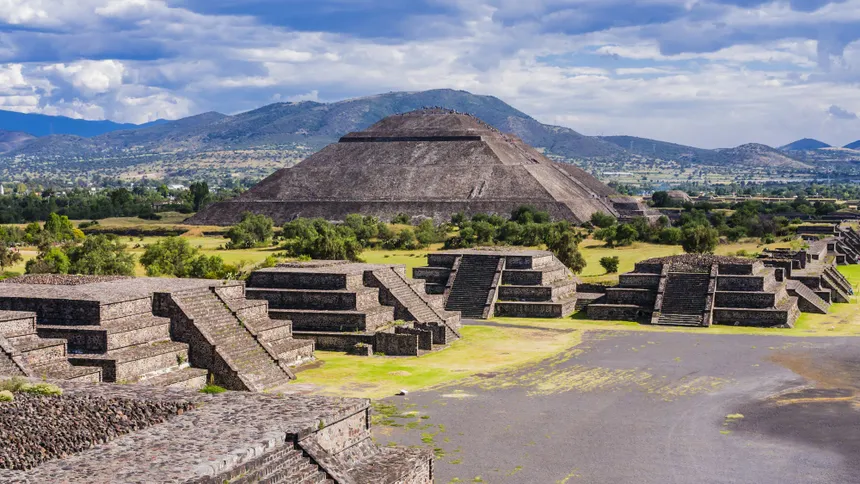
Understanding the Complexity of Ancient Civilizations Before European contact, the Americas were far from a “New World”; they were instead a diverse continent of thriving cultures and societies. This article takes an expansive look at pre-Columbian civilizations across regions including the Caribbean, Middle America, the Andes, the South Atlantic, and North America. By examining each area’s unique developments in agriculture, social structure, and innovation, we gain insight into the intricacies of these ancient cultures. The Caribbean: Island Cultures and Complex Societies of the Taínos and Caribs In the Caribbean, the Taíno and Carib peoples developed distinct societies influenced by their island environments, leading to both cooperation and conflict. The Taíno occupied major islands such as Hispaniola and Puerto Rico, creating a hierarchical society based on agriculture and fishing. Known for cultivating cassava and corn, Taíno farmers utilized raised beds and other methods suited to tropical soils. Their agricultural efficiency supported populous villages led by chiefs called “caciques.” These leaders played key roles in both ceremonial life and everyday governance, cementing a structured social organization. On the smaller islands, the Carib people took a more nomadic approach, focusing on fishing and sea travel. Renowned as skilled navigators, they crafted large dugout canoes that allowed extensive trade and exploration across the Caribbean Sea. The Caribs’ movement and reputation as fierce warriors often created tension with the Taíno, illustrating an early example of intercultural dynamics in the Americas. The Taíno and Carib people inhabited the Caribbean islands, each developing unique ways of life shaped by their environments. Taíno Society and Agricultural Innovations The Taíno cultivated cassava, corn, sweet potatoes, peanuts, and cotton. Cassava, a highly resilient crop, was central to their diet, and they processed it to remove toxins. They also developed mound agriculture, a method in which crops were grown on raised beds to improve soil drainage and fertility. This technique suited the wet, tropical climate and enabled a stable food supply. Social Organization and Governance The Taíno society was organized hierarchically, with “caciques” (chiefs) who wielded authority over their communities. Caciques held both political and religious authority, guiding public life and ritual practices. The Taíno practiced a unique spiritual system known as “zemiism,” wherein carved stone or wooden idols, called “zemis,” were worshipped as spirits of ancestors or deities. Carib Sea Navigation and Warrior Society Renowned for their navigational skills, the Carib people were adept sailors who navigated open waters using large dugout canoes. These canoes could hold up to 50 people and were used for fishing, trade, and raids on other islands. The Carib warrior society emphasized strength and valor. Their warrior reputation often led to conflicts with the Taíno, who lived on the larger islands. These encounters reveal an early example of intercultural dynamics and tension. References: Wilson, S. M. (1997). The Indigenous People of the Caribbean. Gainesville: University Press of Florida. 1492: An Ongoing Voyage,” Library of Congress; Wilson, S. M. (1997). Middle America: The Aztecs and Mayans’ Contributions to Civilization Middle America, with its towering Maya temples and busy Aztec metropolis, was home to some of the Americas’ most accomplished civilizations. The Maya, inhabiting parts of present-day Mexico, Guatemala, and Honduras, were master builders and astronomers. Known for their stone pyramids, they built monumental city-states like Tikal and Copán, each governed independently but connected through trade. They also established a sophisticated writing system based on glyphs, one of the earliest known in the Americas. The Aztecs, arriving later, established their capital, Tenochtitlan, on an island in Lake Texcoco. This engineering marvel was built on a series of man-made islands connected by causeways. Using a combination of tributes and an extensive trade network, the Aztecs controlled a powerful empire stretching from the Gulf of Mexico to the Pacific. Rituals, including human sacrifice, were integral to their religious beliefs, meant to appease gods and maintain cosmic balance. In Middle America, the Aztec and Maya civilizations rose to prominence, each contributing foundational advancements to architecture, mathematics, and governance. Maya Civilization: Architecture, Astronomy, and Writing The Maya are celebrated for their towering pyramids and expansive city-states like Tikal, Copán, and Palenque. These cities served as ceremonial centers with pyramids that aligned astronomically. Their expertise in astronomy allowed them to create highly accurate calendars. They recognized cycles of Venus and tracked lunar phases, which informed both agricultural and ceremonial practices. The Mayan script, a complex system of glyphs, is one of the few indigenous writing systems of the Americas. It records historical events, including wars and alliances, on stone monuments known as stelae. Aztec Empire: Tenochtitlan, Empire Building, and Religious Practices Tenochtitlan, the Aztec capital, was built on Lake Texcoco, featuring floating gardens (chinampas) that allowed year-round cultivation. The Aztecs established an extensive tribute system in which conquered territories provided resources, crafts, and soldiers. This tribute supported the Aztec nobility and funded large-scale building projects. The Aztec religion held that sacrifices were necessary to appease the gods. Priests played a central role, and temples such as the Great Pyramid of Tenochtitlan were built for these rites, symbolizing the empire’s commitment to cosmic balance. References:Indigenous America. Authored by: Joseph Locke and Ben Wright, with content contributions by L. D. Burnett, Michelle Cassidy, D. Andrew Johnson, Joseph Locke, Dawn Marsh, Christen Mucher, Cameron Shriver, Ben Wright, and Garrett Wright. The Andes: The Inca Empire’s Architectural and Agricultural Prowess The Inca Empire, sprawling across the Andes Mountains, exemplified resilience in the face of challenging geography. The Incas’ terraced farms enabled agriculture in high altitudes, where they grew potatoes, quinoa, and maize on carved mountainsides, ensuring food security for their vast empire. They developed irrigation canals and storage systems to manage resources efficiently, forming a complex society based on cooperation and reciprocity, known as “ayllu.” In terms of architecture, the Incas left behind monumental sites like Machu Picchu, demonstrating advanced masonry skills that required no mortar. Roads and bridges spanned across steep mountains, linking distant parts of the empire, while messenger runners—called “chasquis”—carried information across long distances in record time. Spanning modern-day Peru, Ecuador, Bolivia, and …

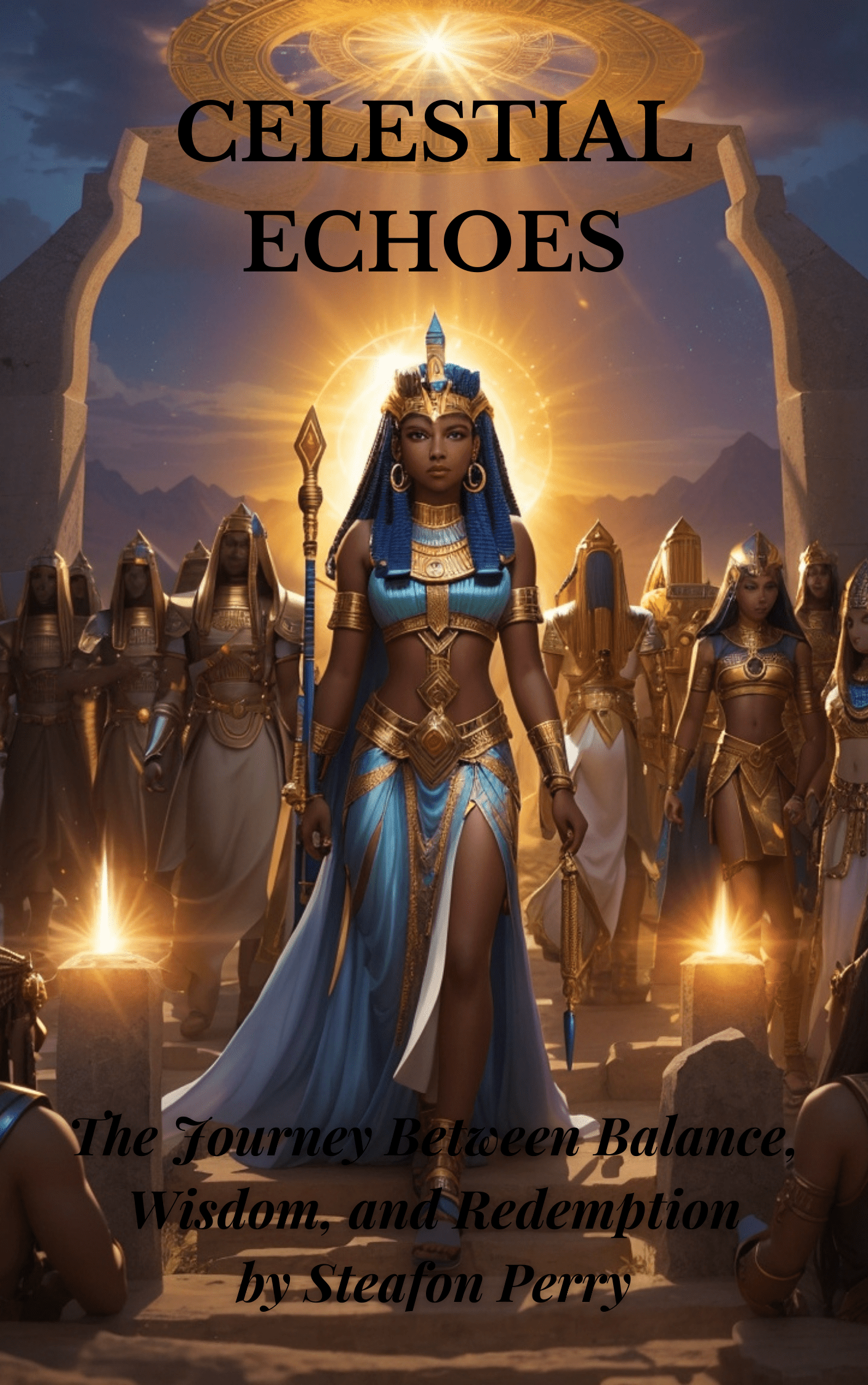
Book Title: Goddess Sopdet and the Quest for Redemption – A Review

A Mythic Journey Between Light and Shadow About the Book In a world where the delicate balance between light and shadow is eternally threatened, one goddess stands between salvation and ruin. Goddess Sopdet and the Quest for Redemption weaves together cosmic mythology, ancient Egyptian lore, and a gripping tale of sacrifice and hope. Sopdet, the celestial goddess of Sirius, is called once again to descend from the stars and restore balance in a world teetering on the brink of chaos. A darkness, ancient and insidious, stirs in the mortal realm, threatening to consume both gods and men alike. With the help of a brilliant astronomer, a haunted priestess, and a noble warrior willing to give his life, Sopdet embarks on a perilous quest that will test the very limits of her divine power—and her humanity. But as they face the shadowy forces of Nechmet and unravel the mysteries of an even greater threat lurking in the void, Sopdet must confront her deepest fears and the echoes of her past failures. Will she overcome the darkness within and without? Or will the shadows that stir on the horizon claim the world? Why You’ll Love This Book Epic World-Building: Step into a realm where the gods walk among mortals, where cosmic forces clash, and where ancient Egypt’s most mysterious wonders come to life. Complex Characters: Follow the journey of a goddess grappling with her own divine nature, alongside a diverse cast of mortals bound by fate and choice. Themes of Sacrifice and Redemption: This is more than just a battle between good and evil. It’s about what we’re willing to sacrifice to protect the ones we love and how we find redemption in the most unexpected places. Cosmic and Mythological Intrigue: A story that draws on ancient myth while exploring the timeless struggle between light and shadow, order and chaos. What Readers Are Saying A breathtaking blend of mythology, cosmic adventure, and heart-wrenching emotion.”_ Kev Eisenhauer “Sopdet’s journey is a powerful reminder of the balance between light and darkness—both within and outside of us.”_  Valborg Kanazawa “A beautifully woven tale of sacrifice, faith, and the eternal dance of light and shadow.”_ Carla Madetoja Sneak Peek Excerpt: “The stars have always been our guide,” Sopdet said softly, her gaze drifting back to the night sky. “They’ve shown us the way forward, even in the darkest of times.”* About the Author As a lifelong explorer of mythology and cosmic themes, Steafon Perry has crafted Goddess Sopdet and the Quest for Redemption as the first book in the _Celestial Echoes_ series. With a passion for blending ancient lore with modern storytelling, Steafon creates stories that explore the timeless struggle between light and shadow, gods and mortals, and the cost of finding balance in an ever-changing world. Get Your Copy Today Join Sopdet on her epic quest for redemption! Available now in ebook and paperback formats.

Discovering the Hidden Gems of Ancient Civilizations

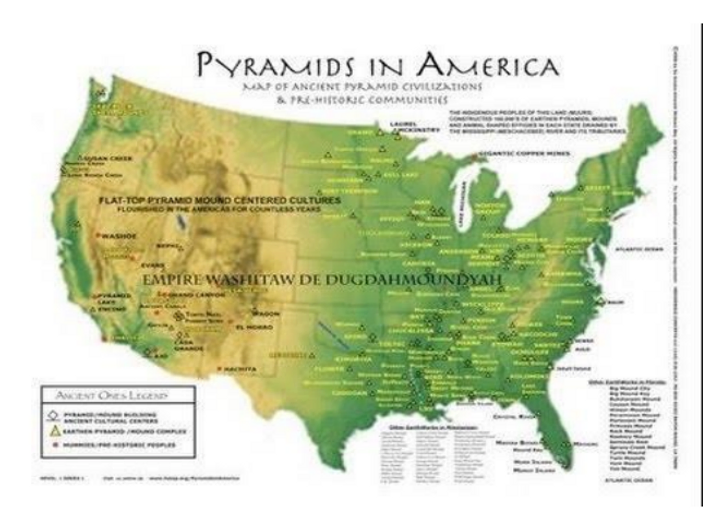
“Unearthing the Secrets: Unearthing the Mysterious Treasure of Old Egypt America” Once upon a time, buried deep beneath the sands of America, lied a hidden treasure of ancient civilizations! Follow me, my friends, as we embark on a thrilling journey to uncover the secrets of Old Egypt America and its hidden gems. But before we start our adventure, let’s take a moment to learn more about this mysterious land. Long ago, in a time before cars, computers, and even television, there was a land that was home to a magnificent civilization called Old Egypt America. These extraordinary people were known for their incredible wisdom, unmatched skill in building and engineering, and their deep connection to the land and nature. Sadly, their once-glorious civilization was lost to the sands of time, leaving behind only mythical tales and whispers of a hidden treasure waiting to be discovered. Now, with the help of modern technology and a sprinkle of creative thinking, we can uncover the hidden gems of Old Egypt America and reveal their secrets to the world! Are you ready to join me on this fascinating journey? Let’s put on our explorer hats and get ready to uncover the treasure of Old Egypt America!

Unraveling Mysteries: Exploring the Intricate World of Mythology

The Intricate World of Mythology Since the dawn of civilization, humanity has sought to make sense of the world around it. We’ve looked to the stars, the earth, and the mysteries of life and death. And in that quest for understanding, mythologies were born. From the immortal gods of ancient Greece to the awe-inspiring pantheon of Norse heroes, mythology is more than just a collection of stories. These tales represent the values, fears, and aspirations of cultures long past. They reveal a civilization’s heart, where human imagination interweaves with spiritual belief to create an intricate tapestry of divine beings, powerful symbols, and transformative quests. In this article, we delve into the ancient realms of gods and heroes, unraveling the timeless allure of mythology. We’ll explore not only the captivating stories but also the profound meaning behind these narratives that have shaped civilizations for centuries. If you are fascinated by the godlike figures of Greek mythology, enchanted by the daring adventures of Norse warriors, or intrigued by the godlike charaIf you are fascinated by the godlike figures of Greek mythology, enchanted by the daring adventures of Norse warriors, or intrigued by the godlike characters of Greek mythology. The brave adventures of Norse warriors, or the symbolic themes that run through these stories, this exploration will help you understand them better than ever. Whether it is the stories of Greek mythology, the brave adventures of Norse warriors, or the symbolic themes that run through these stories, this exploration will help you understand them better than ever before. This exploration will broaden your understanding of the mythological realm like never before by examining the symbolic motifs that run through these stories. The Purpose of Mythology: More Than Stories To truly appreciate the depth and richness of mythology, we must first recognize its purpose. Mythology is often described as a collection of traditional stories, but it’s much more than that. In its most profound form, mythology is a lens through which ancient cultures explained natural phenomena, human behavior, and the universe’s workings. In Greek mythology, for example, gods were not far away and untouchable; they were deeply involved in human affairs and felt all of our feelings, like love, anger, pride, and jealousy. When Zeus, king of the gods, tried to keep his power while dealing with a pantheon of rebelling gods, he had to use strength and cunning to stay in charge. In Norse mythology, by contrast, the gods know that their eventual destruction is inevitable. The narrative of Ragnarök, the prophesied end of the world, emphasizes the impermanence of life and the inevitability of death, but it also celebrates the courage to face doom with honor. Figures like Odin and Thor are revered not just for their power but for their willingness to fight even when they know they cannot win. In this, Norse myths speak to a deep cultural respect for bravery, endurance, and resilience in the face of seemingly insurmountable odds. Mythology, therefore, serves as a mirror for humanity. Through these tales, ancient civilizations could interpret and communicate their understanding of the world and their place in it. These stories became moral and spiritual guides, influencing societal values, ethics, and philosophies that continue to resonate today. Greek Mythology: Gods, Heroes, and Cosmic Battles Greek mythology is perhaps one of the most well-known and influential mythological systems in the world. Originating in ancient Greece, these myths feature a pantheon of gods who reside on **Mount Olympus** and rule over the human world with divine power. Zeus is in charge of the Olympian gods, whose story is at the heart of Greek legend. In this pantheon, each god or queen rules over a different part of life. Poseidon is the god of the sea and controls the waves and storms. Athena, the goddess of learning, helps people in war and peace. But these gods are not perfect. In Greek mythology, they have very human traits and often fight, fall in love, or try to get payback. These attempts to make the divine more like us show how flawed and contradictory people are. Among the most captivating figures in Greek mythology are the heroes—mortals or demigods who perform extraordinary feats. Hercules (or Herakles in Greek), with his famous Twelve Labors, stands out as the ultimate symbol of strength and perseverance. Perseus, who beheaded Medusa, and Theseus, who slew the Minotaur, are other classic examples of heroic figures tasked with impossible missions. But Greek mythology is not only about the triumphs of heroes. Tragic stories like that of Oedipus, who unknowingly fulfills a terrible prophecy by killing his father and marrying his mother, explore the themes of fate, free will, and the tragic inevitability of suffering. These tales underscore a deep cultural belief that, while humans may be able to achieve great things, they are ultimately subject to the whims of fate and the gods. Greek mythology also delves into profound cosmic battles and the origins of the universe. The Titanomachy, or the war between the Olympian gods and the Titans, is a foundational myth that represents the triumph of order over chaos as the younger gods led by Zeus overthrow their predecessors, the Titans. This battle for cosmic balance mirrors humanity’s eternal struggle for control over nature and the unknown. Further Reading The Influence of Greek Mythology on Modern Culture](https://www.britannica.com/topic/Greek-mythology) – [Twelve Olympian Gods and Their Powers](https://www.worldhistory.org/Olympian_Gods/) Norse Mythology: The Enduring Spirit of the North Norse mythology, with its rich storytelling tradition and dramatic themes, comes from the ancient Germanic peoples of Scandinavia. Like the Greeks, the Norse had their pantheon of gods, but the mood of these myths is darker and more fatalistic. The gods of Asgard—such as Odin, Thor, Loki, and Freyja—are brave and powerful, but they are also deeply flawed, just like their Greek counterparts. A defining characteristic of Norse mythology is its emphasis on the inevitability of death. The Vikings who told these stories lived in a harsh environment where life was often short and brutal. It’s no surprise that …

Unleashing Imagination: A Dive into the Fantastical Worlds of Fiction

Why Fiction? Fiction has always been an escape, a way to enter realms where the impossible becomes possible. The written word gives life to new worlds, where the boundaries of reality fade, allowing our minds to explore places we never thought existed. Whether you’re plunging into an epic battle between good and evil or embarking on a magical quest for an ancient relic, fiction unleashes the imagination, immersing readers in fantastical landscapes, mystical creatures, and stories of unparalleled adventure. In this article, we’ll dive into the allure of fiction—specifically the genre of fantasy—and explore why these imaginative worlds captivate readers across generations. From epic fantasy sagas to magical quests, we’ll take a closer look at the magic of storytelling and the journey fiction offers. So, grab your sword, mount your dragon, and get ready to embark on an adventure where your imagination is the only limit. The Power of Fiction: Escape and Exploration At the heart of every fiction story lies a simple but profound truth: humans are wired to tell and enjoy stories. From the earliest oral traditions to today’s sprawling fantasy series, storytelling has been an essential part of human culture. In fiction, especially the fantasy genre, we find a unique combination of escape and exploration that allows us to transcend the mundane and experience worlds vastly different from our own. Fantasy fiction, in particular, taps into our deepest desires to explore the unknown. Whether it’s traversing the vast landscapes of Middle-earth in J.R.R. Tolkien’s The Lord of the Rings or navigating the magical lands of Westeros in George R.R. Martin’s A Song of Ice and Fire, these stories offer more than just entertainment. They provide a space where readers can confront real-world issues—such as morality, power, and identity—through the lens of make-believe. These fantasy worlds often mirror our own but add layers of magic and myth, which create a safe space for readers to grapple with complex emotions and ideas. Source Links The Importance of Storytelling in Human Culture (https://www.bbc.com/culture/article/20170522-why-we-need-stories) – [Fantasy as a Reflection of Real-World Issues](https://www.tor.com/2020/05/13/how-fantasy-books-help-us-face-our-own-reality/) Epic Fantasy: Where Magic and Adventure Collide When it comes to fantasy fiction, the epic fantasy genre stands out as a favorite among readers. Defined by grand-scale storytelling, intricate world-building, and complex character arcs, epic fantasy transports readers into worlds filled with magic, mythical creatures, and legendary heroes. These stories often span multiple books and follow characters through quests that determine the fate of entire kingdoms, realms, or even worlds. A hallmark of epic fantasy is the hero’s journey, a narrative structure popularized by mythologist Joseph Campbell. The hero’s journey takes the protagonist on a transformative adventure, where they leave their ordinary world behind, face trials and tribulations, and ultimately return as a changed person. Classic examples include Frodo Baggins’ journey to destroy the One Ring in The Lord of the Rings or Harry Potter’s evolution from a boy wizard to the savior of the wizarding world in J.K. Rowling’s Harry Potter series. What makes epic fantasy so compelling is its blend of magic and adventure. In these stories, magic is not just a tool; it’s often a driving force that shapes the world and the characters’ destinies. Think of Gandalf wielding his staff to defeat the Balrog or Daenerys Targaryen commanding her dragons in battle. Magic in epic fantasy isn’t just background—it’s integral to the plot, adding layers of wonder, danger, and awe. Source Links [Joseph Campbell’s Hero’s Journey](https://www.theringer.com/2019/11/8/20949900/the-heros-journey-joseph-campbell-star-wars) – [Why Magic Matters in Fantasy Fiction](https://www.tor.com/2021/05/14/the-importance-of-magic-in-fantasy-worldbuilding/) Magical Quests: The Heart of Adventure Magical quests are another key element of fantasy fiction that taps into readers’ love for adventure. These quests are often driven by a central mission—a powerful artifact must be retrieved, an evil sorcerer must be defeated, or a lost kingdom must be restored. These quests, while fantastical, are also deeply personal, pushing the protagonists to confront their fears, test their strengths, and discover their true potential. One of the most iconic magical quests is the search for the Holy Grail, which has been reimagined in countless fantasy tales. In modern fiction, magical quests take many forms. Consider Percy Jackson, the modern-day demigod who must embark on a journey to recover Zeus’s lightning bolt in Rick Riordan’s Percy Jackson and the Olympians series. Or the quest for the Deathly Hallows in Harry Potter, where Harry, Hermione, and Ron must find three powerful magical objects to defeat Lord Voldemort. These magical quests serve as metaphors for growth and self-discovery. Characters are forced to confront their weaknesses, challenge the status quo, and make difficult choices that shape not only their fate but the fate of the world around them. Readers love these stories because they represent the ultimate form of escapism—where an ordinary person is thrust into an extraordinary situation and emerges stronger and wiser for it. Source Links [The Heroic Quest in Fantasy Literature](https://www.nytimes.com/2016/03/27/books/review/the-heroic-quest-in-fantasy-literature.html) – [How Percy Jackson Revolutionized Modern Fantasy](https://www.tor.com/2020/09/24/how-percy-jackson-redefined-fantasy-for-a-new-generation/) Fantastical Worlds: Crafting the Unimaginable One of the greatest joys of reading fantasy fiction is the chance to explore fantastical worlds—vast landscapes that are unlike anything found in the real world. These worlds are crafted with care, with every detail—whether it’s a mystical forest, a floating city, or an enchanted castle—designed to draw readers deeper into the story. World-building is one of the most important aspects of fantasy fiction. Authors like J.R.R. Tolkien, George R.R. Martin, and Brandon Sanderson have become masters of this art, creating immersive worlds that feel alive with history, culture, and complexity. In The Lord of the Rings, Middle-earth is so meticulously developed that it feels like a real place, complete with detailed maps, languages, and mythologies. Similarly, Martin’s A Song of Ice and Fire transports readers to the political intrigue of Westeros, where noble families vie for power in a sprawling epic filled with betrayal, magic, and dragons. What makes these worlds so immersive is not just their scale but their complexity. Good world-building doesn’t just create a beautiful backdrop for the story—it also influences the plot, characters, and conflicts. In Mistborn, for example, Brandon …

Exploring the Unknown through Adventure Books

Adventure books have a unique power to whisk readers away from their everyday routines and immerse them in exhilarating quests and daring escapades. These stories of exploration are not just thrilling page-turners—they offer a journey into the unknown that stimulates the imagination and ignites a sense of wonder. From remote jungles and mystical caves to ancient cities lost in time, the world of adventure books transports readers to places they may never physically travel yet feel intimately connected to through the power of storytelling. In this article, we’ll embark on a journey of discovery, exploring the allure of adventure novels and why they resonate with our desire to seek the unknown. The Call to Adventure: Why We Crave the Unknown Adventure stories speak to our primal curiosity and drive to explore. Whether it’s scaling a treacherous mountain or diving into the depths of forgotten temples, each tale unravels a piece of human nature—the relentless urge to venture beyond the familiar. An adventure is an event or set of events that occur outside of the protagonist’s everyday life and are usually associated with risk, frequently requiring physical activity. Adventure stories almost always move swiftly, and plot tempo is just as crucial as characterization, setting, and other creative factors.  D’Ammassa contends that adventure stories emphasize the element of danger; thus, he claims that Charles Dickens’s novel A Tale of Two Cities is an adventure novel because the protagonists are constantly in danger of being imprisoned or killed. In contrast, Dickens’s Great Expectations is not because “Pip’s encounter with the convict is an adventure, but that scene is only a device to advance the main plot, which is not truly an adventure.“  Since the inception of written literature, adventure has been a prevalent motif. Indeed, the traditional Heliodorus narrative, which is still alive in Hollywood films, involves a hero having a series of adventures before meeting his woman. A separation would occur, with the second set of experiences culminating in a final reunion. Variations kept the genre thriving. Adventure became a popular subgenre of fiction beginning in the mid-19th century, as mass literacy increased. Adventure, while not fully utilized, has evolved over time, from stories of knights in armor to stories of high-tech espionage. A Window to Exotic Landscapes and Mysterious Places Through adventure novels, readers experience breathtaking landscapes and delve into mystical settings that spark their sense of wanderlust. These books often depict the beauty and peril of remote, uncharted places—the dense Amazon jungle, hidden Himalayan valleys, or eerie desert ruins. Such places are brought vividly to life through descriptive language and meticulous world-building, immersing readers in these mesmerizing locations’ sights, sounds, and secrets. Example: Lost City of Z by David Grann, a real-life exploration of the Amazon, or The Mysterious Island by Jules Verne, where a stranded group discovers the hidden mysteries of a deserted isle. Courageous Explorers: Heroes and Heroines of Adventure No adventure story is complete without its bold explorers, who navigate the thrills and dangers of the unknown with courage, intelligence, and resolve. These protagonists, whether fictional or based on real-life figures, often face physical and emotional challenges that add layers of depth to their journey. They inspire readers not only with their bravery but with their determination to push through hardship in the pursuit of discovery. Examples: Indiana Jones, a beloved fictional archaeologist, and Into the Wild by Jon Krakauer, which follows Chris McCandless’s real-life quest for freedom and truth in the Alaskan wilderness. Riddles, Secrets, and Ancient Treasures One of the great joys of adventure books is the thrill of solving ancient riddles and unearthing lost treasures. This narrative element often mirrors the puzzle-solving aspect that’s deeply satisfying to readers. As the protagonists work to decipher cryptic messages, they also uncover hidden truths about themselves and the cultures they encounter. Example: The Da Vinci Code by Dan Brown, a suspenseful blend of historical puzzles and religious mysteries, or The Curse of the Pharaohs by Elizabeth Peters, which combines ancient Egypt’s lore with detective intrigue. Heart-Pounding Action and Gripping Suspense Adventure books wouldn’t be complete without moments of intense, heart-racing action. The heroes’ encounters with danger—whether it’s surviving a perilous jungle, escaping from enemies, or braving a harsh wilderness—build suspense that keeps readers turning pages. This tension, combined with high-stakes scenarios, ensures that each plot twist is as engaging as it is unpredictable. Example: The Road by Cormac McCarthy, a haunting survival journey through a post-apocalyptic world, or King Solomon’s Mines by H. Rider Haggard, featuring a treasure hunt through the wilds of Africa. The Aftermath: Lessons from Adventure Books Beyond thrilling escapades, adventure books often leave readers with profound reflections on life, purpose, and the beauty of embracing the unknown. These tales remind us of the importance of courage, adaptability, and the willingness to embrace risk as a path to personal growth. Adventure literature speaks to a universal truth: only by stepping outside our comfort zones do we truly discover who we are. Discover Your Next Adventure For those ready to explore the unknown through the world of adventure books, here are a few suggestions that promise thrilling journeys and life-changing revelations: 1. The Lost City of Z by David Grann – The real-life quest to find a lost Amazonian city. 2. The Alchemist by Paulo Coelho – A journey of self-discovery through the deserts of North Africa. 3. Life of Pi by Yann Martel – A survival tale of faith and resilience on the high seas. 4. Journey to the Center of the Earth by Jules Verne – A classic adventure into the depths of our planet. Frequently Asked Questions About Adventure Books What are the best adventure books for travel enthusiasts? For those with a passion for travel and discovery, adventure books like The Lost City of Z by David Grann and The Beach by Alex Garland offer thrilling journeys into uncharted territories. These novels combine rich storytelling with exotic landscapes, perfect for readers who crave the excitement of exploring unknown places through literature. Which adventure novels are ideal for fantasy lovers who want to explore mystical jungles and temples? Fantasy and adventure often blend beautifully in novels like King Solomon’s Mines by H. Rider Haggard and The Mysterious Island by Jules Verne. These books transport readers into dense jungles and ancient temples, filled with secrets and mystical lore. Ideal for readers who dream of solving ancient riddles and discovering hidden treasures, these novels are a gateway into enchanting, unexplored worlds. Are there any books that spark a sense of wanderlust and exploration? Yes, books like The Alchemist by Paulo Coelho and Into the Wild by Jon Krakauer are perfect for igniting that deep wanderlust within readers. These stories explore journeys of self-discovery and the thrill of venturing into the unknown, offering a glimpse into the beauty of life’s mysteries and the courage it takes to pursue them. What are some heart-pounding adventure books for thrill seekers? If you’re looking for heart-pounding action, novels like The Road by Cormac …

Secret Decoded: Exploring the Esoteric Realm

Esoteric realm The term Esoteric Realm conjures images of hidden wisdom, spiritual mystery, and paths less traveled. Esoteric traditions, often shrouded in secrecy, are repositories of ancient knowledge that challenge mainstream religious and cultural narratives. From Hermetism to Kabbala, these traditions explore the depths of human spirituality, promising profound transformation for those bold enough to seek them out. What is the Esoteric Realm? The Esoteric Realm encompasses a collection of religious and spiritual traditions that have historically been marginalized or excluded from mainstream society. The term esoteric comes from the Greek word esōterikos, meaning “inner” or “hidden.” These paths share a common theme of imparting spiritual wisdom to a select group of initiates, often through metaphor, symbolism, and coded language. Emerging as a formal concept in 19th-century Western Europe, esotericism became a way to categorize traditions like Hermetism, Kabbala, Rosicrucianism, ceremonial magic, alchemy, and astrology, all of which trace their roots back to far earlier periods. While these paths may differ in practice, they are unified by a focus on personal spiritual growth, hidden knowledge, and mystical transformation. Key Characteristics of the Esoteric Tradition 1. Hidden Knowledge Esoteric traditions hold that true wisdom cannot be easily grasped by the uninitiated. Knowledge is often kept secret, reserved for those who have proven their readiness. This hidden knowledge, called gnosis, is believed to unlock deeper understanding of the universe, human existence, and the divine. 2. Symbolism and Metaphor Symbols and metaphors are the lifeblood of esoteric traditions. Whether in sacred texts or rituals, these elements serve as keys to higher truths. For example, the serpent in alchemy represents transformation, while the Tree of Life in Kabbala symbolizes the structure of the cosmos and the human soul’s ascent to divine unity. 3. Initiatory Structure Many esoteric traditions rely on a structured path of initiation, where individuals progress through levels of spiritual understanding. Each stage reveals more profound teachings, often through rites or rituals. This structure emphasizes the importance of gradual, experiential learning. 4. Focus on Spiritual Growth At the heart of esoteric teachings is the concept of personal evolution. Unlike many mainstream religions that emphasize external salvation, esoteric paths focus on inner transformation, where individuals seek higher states of consciousness and ultimate self-realization. Examples of Esoteric Traditions Hermetism Rooted in the ancient Greek world, Hermetism emphasizes dualities—light and dark, good and evil—believing in their unity through spiritual knowledge or gnosis. Practitioners seek to understand the divine order of the universe, often through study and meditation. Kabbala A Jewish mystical tradition, Kabbala decodes the hidden meanings of sacred texts. It views existence as a manifestation of divine energy and focuses on achieving a direct spiritual union with the divine. Central to Kabbalistic teaching is the Tree of Life, which represents the journey of the soul toward divine light. Rosicrucianism A mystical society with roots in 17th-century Europe, Rosicrucianism combines alchemy, astrology, and spiritual enlightenment. Its secretive members are said to possess esoteric knowledge about the cosmos, immortality, and the hidden forces of nature. Theosophy Founded in the 19th century by Helena Blavatsky and Henry Steel Olcott, Theosophy blends ancient wisdom from the East and West. It seeks to unveil the mysteries of existence, promote the universal brotherhood of humanity, and explore the soul’s journey through reincarnation and spiritual evolution. Modern Expressions of the Esoteric Tradition New Age Movement In the late 20th century, the New Age movement embraced many esoteric concepts, emphasizing personal growth, self-awareness, and the awakening of higher consciousness. It borrows from diverse spiritual traditions, integrating practices like meditation, energy healing, and astrology to encourage inner transformation. Esoteric Online Communities The digital age has birthed a new generation of seekers. Forums, websites, and social media groups dedicated to esotericism flourish online, where individuals share insights, decode spiritual symbols, and debate the nature of existence. Challenges and Controversies Lack of Academic Recognition Esoteric traditions often face marginalization in academic circles. They are sometimes dismissed as pseudoscience or irrational beliefs, which leads to their exclusion from serious scholarly study. As a result, these traditions remain misunderstood or oversimplified in popular culture. Critiques of Esotericism Skeptics argue that esotericism’s reliance on secret knowledge and mystical experiences lacks empirical grounding. Some see these traditions as escapism, providing an illusion of wisdom that fails to hold up to scientific scrutiny. Interpretive Diversity One of the more intriguing aspects of esotericism is the vast diversity of interpretations. Symbols and teachings often carry multiple meanings, leading to debates and disputes even among practitioners. The varied interpretations add depth but also pose challenges for cohesion within esoteric communities. Esoteric Reflections on Free Will and Determinism The question of free will versus determinism has been explored deeply in esoteric traditions. Many of these paths suggest a blend of both—while destiny may guide the arc of the universe, individuals possess the power to shape their spiritual evolution through choices and actions. The alchemical phrase “As above, so below” hints at this interplay between cosmic forces and personal will. Esotericism, Occultism, and Magic: Drawing Distinctions While esotericism and occultism often overlap, esotericism tends to focus more on hidden spiritual truths, while occultism leans into practical magic and the manipulation of hidden forces. Modern magical practices, often popularized by movements like Wicca, also share roots in esoteric teachings but emphasize rituals, spells, and nature worship more overtly. The Role of the Feminine in Esotericism Feminine principles play a significant role in many esoteric traditions. Whether through goddess worship or the veneration of the divine feminine, figures like Isis in Egypt or Sophia in Gnosticism represent wisdom, creation, and nurturing power. These archetypes often embody the mystical connection between spirit and matter, highlighting the balance between masculine and feminine energies. The Divine Feminine Principle in esotericism is a powerful and deeply symbolic concept that represents the nurturing, creative, and intuitive aspects of the universe. While mainstream religious traditions often focus on patriarchal figures like God the Father, esoteric traditions recognize a balance of both masculine and feminine forces, reflecting the duality and unity within creation. …