Aligning with the Earth’s Grids Through Crystals
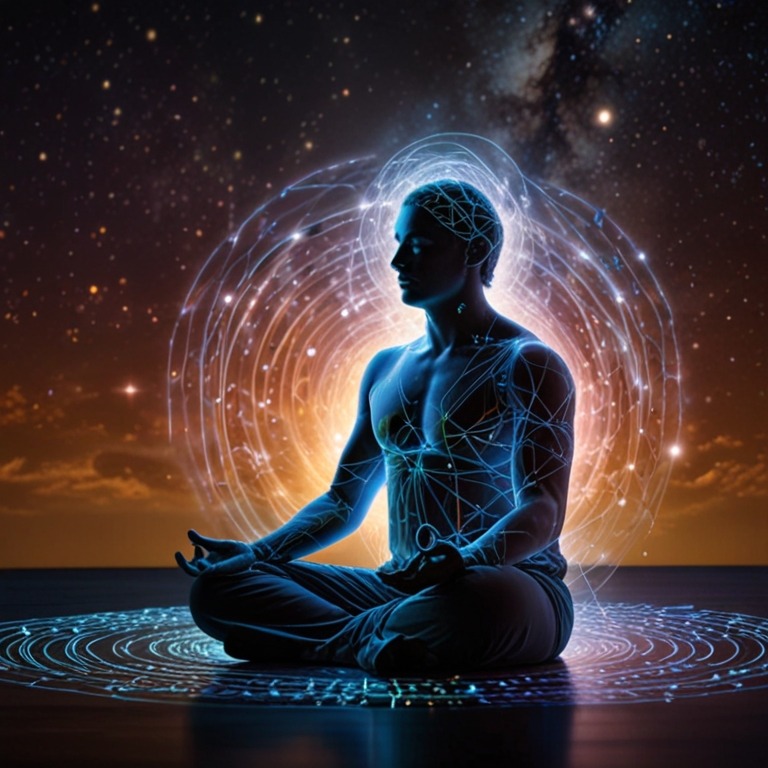
Crystals are more than just beautiful stones—they’re Earth’s energetic messengers, amplifying your connection to its energy systems and opening the pathways to alignment. Crystals have been used for thousands of years in spiritual practices, healing, and energy work. Their unique structures and vibrations make them powerful tools for connecting with the Universal Light Grid, the Crystalline Grid, and even the stargates of Earth. Let’s explore how crystals work, their specific roles in grid alignment, and practical ways to use them in your daily life to harmonize with Earth’s energy systems. Why Crystals Work Crystals are formed over millions of years in the Earth’s crust, absorbing the planet’s energy. Their molecular structures are so stable that they naturally vibrate at a consistent frequency. This stability makes them perfect for: Amplifying energy. Clearing blockages. Strengthening your connection to the grids. Think of crystals as energetic bridges—they help you tune into the grids’ vibrations and align with their flow. Crystals and Their Role in Grid Alignment Each crystal has its own unique energy signature, making it suited for specific purposes. Here’s how different crystals align with Earth’s grids: 1. Clear Quartz: The Master Amplifier Role: Amplifies your energy and intention, making it easier to connect with the grids. Use: Place clear quartz on your chest or hold it during meditation to strengthen your connection to the Universal Light Grid. 2. Amethyst: The Spiritual Connector Role: Enhances intuition and aligns with higher dimensions of the Crystalline Grid. Use: Use amethyst during stargate meditations or when seeking spiritual insight. 3. Labradorite: The Dimensional Bridge Role: Helps access multidimensional energy, making it ideal for connecting with the Crystalline Grid’s higher realms. Use: Place labradorite on your third eye to strengthen your connection to other dimensions. 4. Black Tourmaline: The Protector Role: Shields you from the low-vibrating overlay grid while grounding your energy into the Crystalline Grid. Use: Keep black tourmaline near you in chaotic environments or during grounding exercises. 5. Selenite: The Energy Cleanser Role: Clears blockages and raises your vibration, aligning you with the grids’ highest frequencies. Use: Sweep a selenite wand over your body to cleanse your energy field before meditating. Crystal Practices for Aligning with the Grids 1. Crystal Grids Creating a crystal grid is one of the most powerful ways to align with Earth’s energy systems. How to Create a Crystal Grid: 1. Choose a Focus: Decide your intention, such as grounding, spiritual insight, or emotional healing. 2. **Select Crystals**: Use crystals that align with your goal (e.g., clear quartz for amplification, rose quartz for love, or smoky quartz for grounding). 3. Set a Layout: Arrange the crystals in a geometric pattern, like the Flower of Life or a simple circle. 4. Activate the Grid: Place your hands over the grid and visualize energy flowing through the crystals, connecting them to the Earth’s grids. Practical Example: If you’re working on grounding, place a smoky quartz crystal at the center of the grid and surround it with smaller stones like hematite or black tourmaline. Visualize roots extending from the grid into the Earth, connecting you to the Crystalline Grid. 2. Meditating with Crystals Meditation amplifies your connection to the grids, and crystals enhance this practice. Simple Meditation Practice: Hold a crystal in your hand or place it on your body (e.g., clear quartz on your chest or amethyst on your third eye). Close your eyes and visualize the Universal Light Grid or Crystalline Grid glowing with energy. Imagine the crystal acting as a key, unlocking your alignment with the grid. 3. Carrying Crystals for Daily Alignment Crystals don’t have to stay on your altar—they can support you throughout your day. In Your Pocket: Carry a grounding crystal like black tourmaline to stay centered in busy environments. As Jewelry: Wear a pendant with clear quartz or labradorite to amplify your energy and maintain alignment. At Work or Home: Place crystals like selenite or rose quartz on your desk to cleanse the energy of your space. 4. Crystal Water Charging Using crystals to charge water is a gentle way to align your energy with the grids. How to Make Crystal-Charged Water: Place a clean crystal (like clear quartz or rose quartz) in a glass of water. Leave it in sunlight or moonlight for a few hours. Drink the water, visualizing the crystal’s energy flowing into you and connecting you to the grids. Combining Crystals with Other Practices Crystals work even more powerfully when combined with visualizations, mantras, and symbols. Example Practice 1. Set Your Space: Place a crystal grid in front of you with clear quartz in the center. 2. Visualize: Imagine the Universal Light Grid or Crystalline Grid glowing and connecting with the crystals. 3. Chant a Mantra: Repeat, “I am aligned with the Earth’s highest energies.” 4. Use a Symbol: Draw or visualize the Flower of Life over your crystal grid to amplify its power. Modern-Day Applications of Crystals and Grids 1. Stress Relief Feeling overwhelmed? Hold a piece of selenite and visualize it clearing heavy energy while grounding you into the Crystalline Grid. 2. Boosting Focus Place clear quartz on your desk during work or study sessions. Picture its energy aligning you with the Universal Light Grid for clarity and inspiration. 3. Emotional Healing Hold rose quartz over your heart and visualize its energy syncing with the Crystalline Grid to release old emotional wounds. Crystals as Your Allies Crystals are like companions on your journey. They amplify your intentions, align your energy, and connect you to Earth’s grids in profound ways. By incorporating crystals into your practices, you deepen your relationship with the Universal Light Grid and Crystalline Grid, bringing harmony, clarity, and transformation into your life. Aligning with the Grids Through Crystals Reflect: Which crystals do you feel most drawn to? What qualities or purposes might they represent for you? How do you feel after spending time with a favorite crystal? Practice: Create a small crystal grid using the steps in this book. Write down your intention for the grid …

Aristotle on the Mystery Drama: Rudolf Steiner’s Insights

Rudolf Steiner’s Insights: Drama and Spiritual Transformation In “Aristotle on the Mystery Drama,” philosopher and educator Rudolf Steiner weaves an intricate narrative that bridges Aristotle’s foundational theories of drama with the transformative essence of mystery plays. Steiner’s exploration deepens our appreciation for drama as an artistic medium and reveals its profound capacity to illuminate the psychological and spiritual dimensions of human existence. His analysis underscores how Aristotle’s principles remain a cornerstone for understanding the broader purpose of theater and its potential to guide audiences on meaningful journeys of self-discovery and transcendence. Aristotle’s Enduring Views on Drama and Poetics Aristotle, revered as one of the most influential philosophers in Western thought, laid the groundwork for dramatic theory through his seminal work, Poetics. In this text, Aristotle dissects the essence of tragedy, introducing concepts such as mimesis (imitation of life) and catharsis, a term that encapsulates the emotional purging audiences experience through art. This cathartic process, Aristotle posits, enables viewers to confront and cleanse their deepest fears, anxieties, and desires, ultimately facilitating a profound psychological and emotional transformation. Steiner draws upon these Aristotelian insights, aligning them with the core principles of mystery dramas. Both Aristotle and Steiner recognize the theater’s ability to delve into the human psyche, albeit through different lenses. For Aristotle, the focus is on universal truths reflected in human actions and emotions. For Steiner, it is on the deeper, often hidden spiritual forces shaping human life. Read more about Aristotle’s Poetics here The Concept of Mystery Plays: Beyond Conventional Theater Steiner makes a compelling case for the uniqueness of mystery dramas, setting them apart from traditional theatrical productions. While conventional theater often prioritizes plot, character development, and audience engagement at a surface level, mystery plays delve into existential and cosmic themes. These performances serve as a portal, transporting audiences beyond mundane realities to engage with profound questions about existence, divinity, and the interconnectedness of all life. Mystery plays have their roots in religious practices and began in the Middle Ages. They were often based on biblical stories or moral allegories. Steiner builds on this idea by saying that mystery theater is a type of writing that can help people change and spiritually awaken as a group. Through their symbolic narratives and archetypal characters, these plays invite audiences to embark on inner journeys mirroring those portrayed on stage. Psychological Exploration in Drama: Art as a Mirror of the Soul A key theme in Steiner’s essay is the psychological depth embedded within mystery dramas. According to Steiner, these plays act as catalysts for self-reflection and personal growth, guiding viewers to confront their own inner conflicts, fears, and aspirations. This idea resonates with modern psychological theories, which suggest that art can function as a mirror, helping individuals explore and understand their subconscious minds. Steiner says that mystery plays do this by showing characters and situations similar to problems that all people face, like the conflict between good and evil, the search for redemption, and the search for meaning. People aren’t just passively pulled into these stories; they become active participants in the process of change, relating to the characters’ journeys and using what they learn to improve their own lives. The Spiritual Dimensions of Mystery Drama For Steiner, the spiritual impact of mystery plays is perhaps their most defining feature. Unlike traditional dramas, which may entertain or provoke thought, mystery dramas aim to elevate the audience’s consciousness. They explore themes such as suffering, redemption, and transcendence, encouraging viewers to reflect on their spiritual journeys and their connections to the cosmos. These plays challenge audiences to move beyond the confines of material existence and consider the mystical forces shaping their lives. Steiner highlights how this spiritual inquiry, often absent in conventional theater, imbues mystery dramas with a timeless relevance. Engaging with these works, individuals can gain insight into their roles within the grand tapestry of existence, fostering a sense of unity with the universe.   Learn about mystery plays and their significance here Art and Spirituality Intersection When art and spirituality come together, they create a deep sense of transcendence that lifts our minds above the every day and connects us to something bigger. Three main things make this intersection unique: Provoking Thought and Reflection: Art has the power to challenge perspectives, question beliefs, and inspire introspection. By engaging with art, individuals are encouraged to reflect on their own thoughts, emotions, and experiences, fostering a deeper understanding of themselves and their place in the world. Symbolism and Metaphor: Artists often employ symbolism and metaphor to convey profound spiritual truths, transcending linguistic and cultural boundaries. This allows art to speak directly to the human experience, tapping into universal emotions and desires, and facilitating a sense of connection to something greater. Ethereal Experience: Transcendent art transports viewers to an otherworldly realm, evoking feelings of awe, wonder, and connection to the cosmos. This experience is not limited to traditional religious or spiritual art forms; it can be found in various artistic expressions, from poetry to sculpture, music to architecture. Examples and Insights Kindred Souls, a desert landscape painting, invites viewers to interpret their surroundings in a new and spiritual way, transcending the ordinary. The works of Thomas Merton, a monk and poet, demonstrate the intersection of spirituality and art, as he saw beauty and spirituality in everyday life and artistic expressions. The art of Claude Monet’s Impressionism movement and Raphael’s The School of Athens illustrate how artistic endeavors can speak a multi-dimensional language, pushing the boundaries of ordinary thought and demanding deeper contemplation. Key Takeaways Art can foster transcendence by provoking thought, employing symbolism and metaphor, and evoking an ethereal experience. The intersection of art and spirituality is not limited to traditional religious or spiritual art forms; it can be found in various artistic expressions. By engaging with art that speaks to the human experience, individuals can connect with something greater, experiencing a sense of unity and oneness with the world. Explore the relationship between spirituality and art here Conclusion: Theater as a Gateway to Transformation …

Ancient Egypt’s Wisdom and Its Connection to the Hebrew Genesis

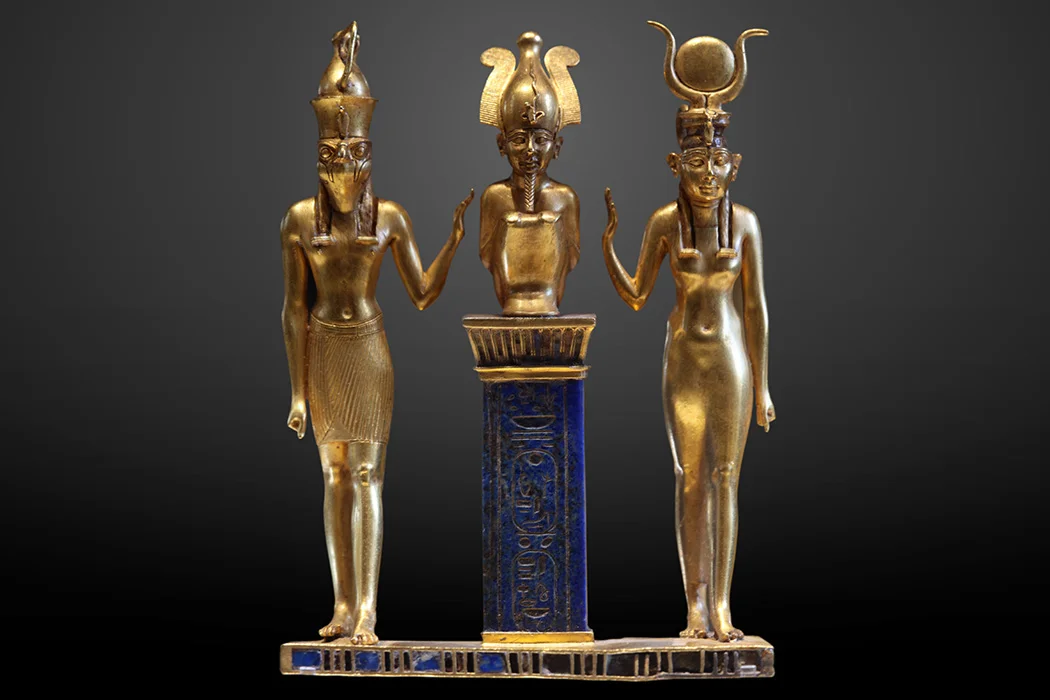
A Tale of Myths and Universal Truths What if I told you the stories we learn in history and religion might have roots in the myths of one of the world’s oldest civilizations—Ancient Egypt? The Egyptians were not just pyramid builders or skilled artists; they were incredible thinkers who tried to understand the mysteries of the universe through stories called myths. Throughout history, mythology has provided a framework for understanding the world, shaping our beliefs and behaviors. Among the most compelling mythologies are those of Ancient Egypt, which offer rich stories of creation, morality, and cosmic order. Interestingly, these narratives share profound parallels with the Hebrew Genesis, suggesting a tapestry of interconnected ideas that transcend cultures. Let’s explore how Ancient Egyptian wisdom resonates with the Genesis story and its universal themes. These myths were full of symbolism, representing forces of nature, human emotions, and cosmic struggles. Over thousands of years, this wisdom spread far and wide, influencing other cultures. One of the most fascinating connections can be found in the Hebrew Bible’s Genesis story. Let’s explore how the Egyptians shaped ideas about creation, life, and even morality. What Is Mythology, and Why Is It Important? Before science existed to explain things like why the sun rises or what causes thunder, humans relied on imagination. Mythology is like the first version of science and philosophy wrapped up in colorful stories. For example, when Egyptians wondered about the wind’s invisible strength, they didn’t call it “air pressure.” Instead, they said, “That’s Shu, the god of air, keeping the sky high above us.” But myths were more than just explanations. They also taught lessons about life, nature, and relationships. For the Egyptians, myths weren’t just stories—they were the foundation of how they viewed the world. Through their myths, they passed down knowledge from one generation to the next. Why Should We Care About These Myths Today? Even though Egyptian myths were created thousands of years ago, they are still relevant. They shaped other cultures, including Greek, Roman, and Hebrew traditions. Ancient Egyptian stories gave rise to many of the ideas in Genesis, such as the idea of a divine order, the fight between good and evil, and the creation of the world. The Origins of the Universe: From Chaos to Order In both Egyptian mythology and the Hebrew Genesis, creation begins in chaos. The Egyptians imagined a vast, formless abyss called Nun, a watery expanse containing infinite potential. Out of Nun emerged the first land, the Benben, on which the god Atum stood to initiate creation. Similarly, Genesis describes the Earth as “formless and empty,” with “darkness over the surface of the deep.” This watery void represents a state of unmanifested potential that God transforms through the act of creation. Egyptian Influence on Hebrew Genesis The Hebrew Bible’s Book of Genesis contains two creation accounts (Chapters 1-2) that have been compared to ancient Egyptian creation myths. Scholars have identified similarities and parallels between the two traditions. Similarities: Cosmogony: Both Egyptian and Hebrew creation accounts describe the creation of the world from a primordial chaos. In Genesis 1:2, the “earth was without form and void” (tohu wabohu), echoing the Egyptian concept of the universe emerging from a state of disorder. Divine Creation: Both traditions feature a divine creator god. In Genesis, Elohim (the Hebrew generic word for “god”) creates the heavens and earth, while in Egyptian mythology, the sun god Atum or the god Khnum are credited with creation. Creation of Humans: Both accounts describe the creation of humans. In Genesis 2:7, God forms Adam from dust, while in Egyptian mythology, the god Khnum creates humans from clay or mud. Differences: Monotheism: The Hebrew Bible presents a single, all-powerful God (Yahweh), whereas Egyptian mythology features a pantheon of gods and goddesses. Creation Methods: In Genesis, God creates through spoken words (Genesis 1:3-31) and direct action (Genesis 2:4-25), whereas Egyptian mythology often depicts creation through the actions of multiple gods and goddesses. Purpose of Creation: Unlike Egyptian mythology, which is about how the world is controlled by natural cycles and the balance of opposing forces, the Hebrew story is about how God made people in his own image (Genesis 1:26–27) and how God made a promise to live with people forever. Influence of Egyptian Mythology on Hebrew Bible Scholars have identified several parallels between Egyptian mythology and the Hebrew Bible, including: Yahuda’s Similarities: In the 1930s, scholar Benno Yahuda identified similarities between Genesis 1-2 and ancient Egyptian texts, including the creation of humanity and the use of symbolic language. Gordon’s Parallels: In 1982, Cyrus Gordon drew parallels between the Egyptian creation myth of Khnum and Genesis 2:4-25, highlighting the shared themes of creation and humanity. Hoffmeier’s Cosmology: In 1983, James Hoffmeier examined the similarities between Genesis 1-2 and ancient Egyptian cosmology, noting the shared concepts of creation, chaos, and the role of the creator-god. While the Hebrew Bible’s Genesis account is distinct from Egyptian mythology, it is clear that there are similarities and parallels between the two. The Hebrew account’s unique themes and tone, however, set it apart from Egyptian mythology. The Hebrew account differs from other traditions in its emphasis on monotheism, covenant, and rejection of Egyptian polytheism, despite sharing comparable themes and symbols. This complex interplay of influences and polemics reflects the dynamic cultural exchange and theological debate between ancient Israel and Egypt. Water as a Symbol of Potential Egyptian Mythology: Water signifies the primordial chaos from which life emerges. Genesis: Water acts as the foundation of creation, divided to form the heavens and the Earth. Both traditions emphasize a shift from disorder to structure, underscoring humanity’s deep need to impose meaning on the unknown. The Power of Light For the Egyptians, light was the ultimate symbol of life and order. Every morning, the sun god Ra was born, bringing light to the world. But this wasn’t an easy task—Ra had to battle the serpent Apophis, a creature of chaos and darkness, every single night. In Genesis, light also plays a starring role. It’s …

Ancient Symbols in Modern Times

 How Totemism, Mythology, and Symbolic Language Shape Today’s World Ancient cultures employed symbols not merely to perceive their surroundings, but also to define how they interacted with them. Totem animals, mythological stories, and ritualistic symbols were early instruments used by cultures to convey ideals, organize kinfolk, and comprehend nature’s powers. Today, these practices remain visible in our art, language, and even corporate branding. This article explores how these ancient symbolic practices continue to influence contemporary culture, society, and personal identity. Let us embark on a journey through early Egyptian culture and how it profoundly shaped human understanding of symbols, language, and mythology. We will reveal how symbolic language evolved as a bridge to understanding the mysteries of existence, early social structure, and religious practices. Sign Language and Mythology Taking dives into the origins of sign language and mythology as key components of early human expression. We shall illustrate that ancient societies often turned to symbols, gestures, and animal representations to convey complex ideas when verbal language was limited. For example, he explains how Egyptians used “zoötypes” (animal figures) to reflect natural phenomena, and human qualities represented life and vitality, while the serpent symbolized cyclical rebirth. Zoötypes: Early humans associated specific animals with natural forces, using these associations to communicate ideas before written language was developed. Mythology as Representation: Instead of viewing myths as fanciful stories, Massey sees them as an early attempt at science—a method of encoding observations about the world. Symbolism and Religion: Signs and symbols were used to communicate religious beliefs and practices, showing that worship was often directed at the power behind the symbol rather than the symbol itself . These symbols were more than just artistic representations; they were essential for transmitting cultural values and spiritual beliefs. Natural forces became approachable and understood through this style of language, resulting in mythology. As a result, mythology was a sophisticated system of representation rather than the product of fiction. Totemism and Modern Identity Totemism, which associates groups with animals, plants, or other natural elements, has historically fostered group identity and kinship. Although formal totemic societies are rare today, the psychological and social functions of totemism persist in our collective behavior. Sports teams, for example, often use animal mascots to build team identity and fan loyalty. This is evident in the United States, where college and professional teams like the Chicago Bears, Miami Dolphins, and Seattle Seahawks derive their identity from animal symbols. Just as ancient clans identified with totems for protection and unity, these mascots represent a tribe-like identity, uniting fans under shared colors, slogans, and symbols. Anthropologist Claude Lévi-Strauss pointed out that totemism is less about revering the animal and more about establishing social order and identity through symbolic classification. Modern corporate branding also adopts totemic principles. Animals like eagles, lions, and owls in logos aim to convey specific qualities about the companies they represent—strength, freedom, and wisdom, respectively. The symbolism isn’t random; it builds an emotional and psychological connection with consumers, who may associate positive traits with brands like Jaguar cars or Dove skincare. Marketing professor John Sherry notes that these brand mascots help consumers anchor their identities through product associations, as ancient totems did for tribal identities. Totemism entity: Totem animals provided a way to categorize family groups, fostering unity and differentiating clans in a pre-written society. Tattooing as Symbolic Language: Tattoos offered a way to signify membership and status, evolving into both personal and spiritual symbols. Fetishism and Protective Objects: Fetishism evolved from the idea of holding power within objects, reflecting early forms of “spiritual technology” used to connect with divine forces . The Language of Symbols in Communication and Technology Symbolic language was one of humanity’s earliest forms of expression, using animals, objects, and natural elements as metaphors for qualities and events. In modern times, emojis serve as a digital evolution of symbolic language, compressing complex emotions and thoughts into visual representations. Like ancient pictograms, emojis transcend language barriers, allowing people across cultures to communicate emotions and ideas without words. Psychologist Linda Kaye suggests that emojis function similarly to ancient symbols by providing a shorthand for universal feelings, enhancing empathy and understanding in digital conversations. The use of signs and symbols extends to branding and digital user interfaces, where distinct icons and colors elicit predictable responses. The color red, for example, frequently indicates urgency or caution, whereas green represents growth or safety—symbolic connotations that date back millennia and are now incorporated in traffic signals, mobile apps, and website designs. Companies utilize these associations to design sensible user experiences, including red buttons for cautions and green buttons for confirmations. This is a development of the sign language employed by ancient civilizations to convey fundamental concepts such as danger, sustenance, or security. Media scholar Marshall McLuhan’s observation that “the medium is the message” applies here; the symbol itself is the message, rooted in shared cultural understandings. Fetishism and Personal Belief Systems In ancient contexts, fetishism was the practice of attributing power to objects, often for protection or good fortune. Amulets, statues, and natural objects served as talismans, embodying spiritual energy or ancestral blessings. Today, many people carry personal objects for emotional or psychological comfort—whether a lucky coin, a sentimental piece of jewelry, or a favorite photograph. While these objects are not worshipped, they play a psychological role similar to ancient fetishes by offering comfort and reinforcing personal beliefs. In modern consumerism, objects of fetishism take on a commercial form. Limited-edition sneakers, vintage collectibles, and branded items can hold near-sacred value for enthusiasts. Sociologist Jean Baudrillard argues that in a consumerist society, products become “fetish objects” that symbolize status and identity beyond their functional value. In some cases, these items represent aspirational goals, similar to how ancient fetishes represented spiritual or supernatural desires. Moreover, wellness industries have capitalized on modern “spiritual” fetishes, promoting crystals, essential oils, and charms as sources of healing energy or positive vibes. While scientific evidence is sparse, these objects serve as focal points for personal well-being and mindfulness practices, much like …

The Cosmic and Individual Relevance of Ma’at: Aligning Self with Universe

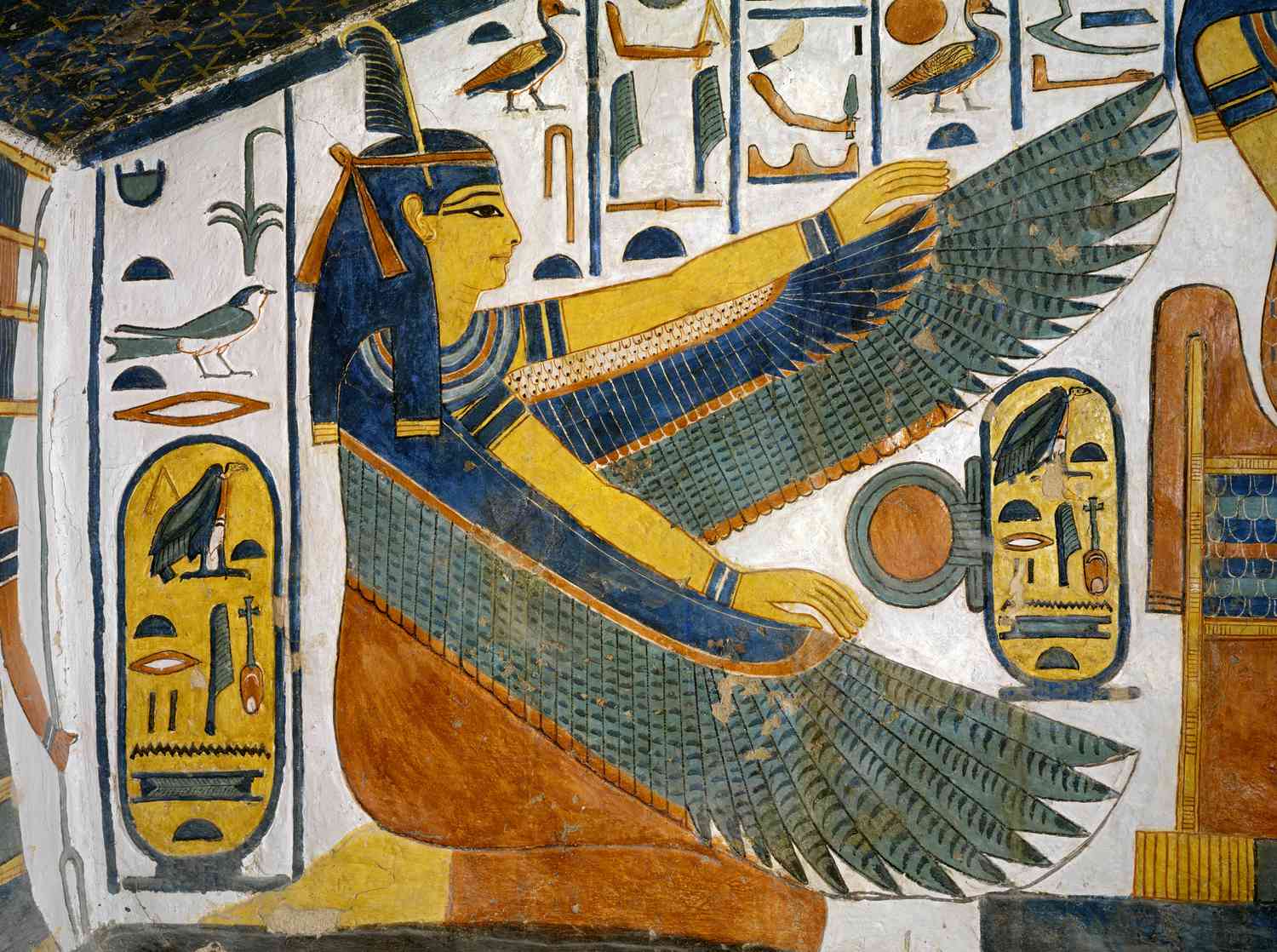
Cosmic Order and Individual Responsibility Ma’at (pronounced may-et) is one of ancient Egypt’s most profound philosophical ideals. This principle governs not only human morality but also the structure of the universe itself. Ancient Egyptians saw Ma’at as the force that upholds the cosmos, guiding celestial and earthly realms alike. From this perspective, the relevance of Ma’at permeates both the cosmic order and the individual’s role within it, emphasizing that balance within the self reflects and supports balance in the universe. Table of Contents: I. Introduction: The Essence of Ma’at This section introduces the concept of Ma’at as a fundamental philosophical ideal in ancient Egypt, encompassing both human morality and the structure of the universe. It highlights the interconnectedness between individual balance and cosmic harmony. II. Ma’at as Cosmic Order This section explores the Egyptian belief in a balanced cosmos constantly threatened by disorder (Isfet). Ma’at is presented as the active force maintaining harmony, similar to concepts like yin and yang but personified as a goddess. It emphasizes that upholding Ma’at requires continuous effort and vigilance from both gods and mortals to ensure the smooth functioning of cosmic cycles. III. Human Responsibility in Upholding Ma’at This section focuses on the individual’s crucial role in sustaining Ma’at. Every thought, action, and intention contributes to either harmony or disharmony in the cosmos. Living in accordance with Ma’at involves embracing truthfulness, compassion, justice, and social responsibility, while rejecting actions that disrupt social and cosmic order. IV. Ma’at as Inner Equilibrium This section delves into the personal dimension of Ma’at, highlighting the importance of inner balance for aligning with the cosmic order. It explains the Egyptian belief in the heart as the seat of emotions and intentions and how a pure heart reflects a life lived in balance. The afterlife judgment scene, where the heart is weighed against the feather of Ma’at, symbolizes the importance of achieving inner harmony for spiritual advancement. V. Ma’at and the Collective Good This section emphasizes the Egyptian understanding of the interconnectedness between individual actions and the welfare of the community and the cosmos. It contrasts the Egyptian focus on collective good with modern individualism, highlighting the belief that every act of kindness or cruelty impacts the overall balance. Maintaining Ma’at is presented as a moral and practical obligation, essential for the flourishing of society and the natural world. VI. Resonance with Modern Life and Psychology This section examines the enduring relevance of Ma’at in the modern world, offering a framework for cultivating balance within ourselves and society. It connects Ma’at to contemporary psychological concepts of inner equilibrium and purpose beyond individual desires. Ma’at’s emphasis on interconnectedness serves as a reminder that individual actions have broader impacts and contribute to collective stability. VII. Ma’at and the Law of Unity of Opposites: Embracing Cosmic Balance This section explores the intersection of Ma’at with the Law of Unity of Opposites, demonstrating how balance arises from the interplay of opposing forces. It reinforces the idea that Ma’at is both a principle and a deity, signifying its crucial role in maintaining order and justice within the universe. The section further explains how the concept of Isfet, or chaos, underscores the importance of actively maintaining Ma’at. VIII. Understanding Ma’at: The Principle and the Goddess This section delves deeper into the dual nature of Ma’at, exploring both its conceptual and divine aspects. It highlights Ma’at’s role as a silent force in times of stability, while also emphasizing its importance as a guiding light during periods of crisis. Ma’at’s connection to Ra, the sun god, solidifies its role as a fundamental force in sustaining life and order within the cosmos. IX. The Law of Unity of Opposites This section examines the Law of Unity of Opposites in relation to Ma’at, demonstrating how seemingly opposing forces are interconnected and essential for achieving balance. It draws parallels with scientific concepts like Einstein’s theory of relativity, further solidifying the idea that harmony arises from the interplay of opposites. The section also emphasizes that tension is necessary for balance, as exemplified by the cyclical relationship between day and night. X. The Cosmic and Individual Relevance of Ma’at This section reiterates the interconnectedness between individual actions and their cosmic consequences, emphasizing the Egyptian belief that living in accordance with Ma’at contributes to universal harmony. It highlights specific actions, such as laziness and greed, that disrupt the flow of Ma’at, while underscoring the importance of cultivating positive qualities like compassion and receptiveness. XI. Ma’at in the Modern World: A Call to Consciousness This concluding section reinforces the timeless relevance of Ma’at as a guiding principle for achieving balance in the modern world. It calls for conscious effort in promoting balance through our daily choices, emphasizing that acts of compassion and integrity contribute to a just and harmonious world. The section leaves the reader with a powerful message: maintaining balance is an ongoing journey requiring constant striving to align with universal principles. XII. The 42 Laws of Ma’at aka The Negative Confessions Ma’at as the Cosmic Order The Egyptians believed that the cosmos was fundamentally balanced, yet it was also in continual danger from disorder, or Isfet. Ma’at stood for the intricate web of relationships between seemingly incompatible elements that kept the universe together. Other spiritual and philosophical traditions that stress duality and interdependence, such as Taoism’s yin and yang, are similar to this cosmic balancing concept. However, what truly set Ma’at apart was the depiction of a goddess who, along with Ra, ensured cosmic stability as an embodiment of its dynamic divine force, rather than just a concept. The Egyptians believed that every cosmic entity—from the sun god Ra’s daily journey across the sky to the Nile’s cyclical flooding—operated within the principles of Ma’at. Without Ma’at, the world would succumb to disorder, disrupting the cosmic cycle. Thus, Ma’at wasn’t merely a passive state of balance; it was an active, ongoing process. Maintaining Ma’at meant continuously striving for harmony, a task that required vigilance, wisdom, and action from both gods and mortals alike. Human …