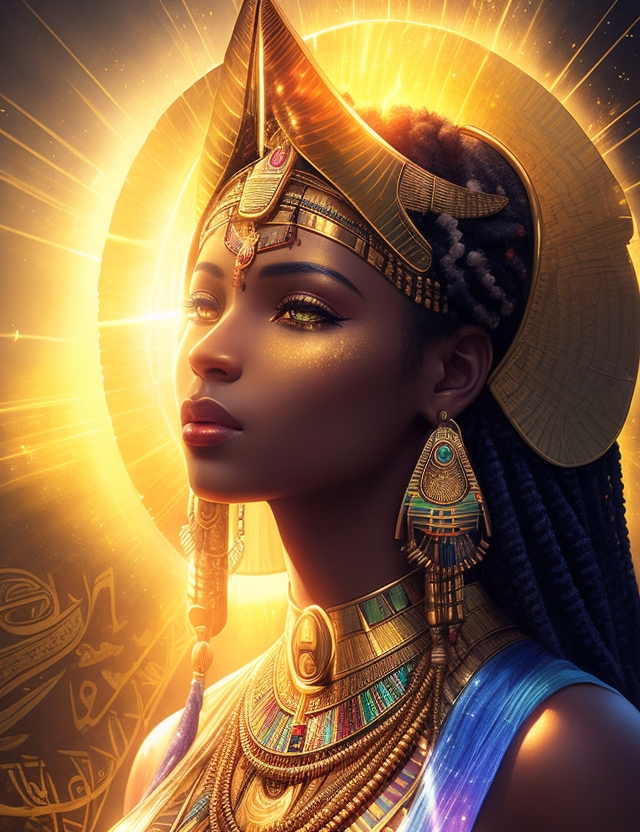
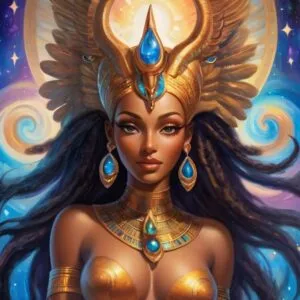
Introduction In ancient Egypt, the goddess Isis was revered for her divine wisdom, magical abilities, and healing powers. She embodied the essence of the divine feminine, representing empathy, compassion, and nurturing love. This article explores the significance of Isis in Egyptian mythology and how her teachings continue to empower women to connect with their inner wisdom and intuition. Who was the Goddess Isis? Isis, the sister and wife of Osiris, played a central role in Egyptian mythology. She mourned deeply when her brother was murdered by their sibling Set. Through her extraordinary magical abilities, Isis was able to resurrect Osiris and conceive their son Horus. She is often depicted as a symbol of motherhood, cradling the newborn sun god in her arms. Isis exemplified feminine strength, using her intelligence and perseverance to overcome immense challenges. The Divine Feminine Virtues Embodied by Isis Isis was revered in ancient Egypt as the wife, sister, and mother. She symbolized motherhood, magic, wisdom, and healing. Beyond her physical attributes, Isis possessed profound spiritual knowledge that was imparted through the Sacred Mysteries tradition. Her resilience in resurrecting Osiris after his murder by Set served as a powerful example of feminine strength and empowerment. Mastery of Nature and Cosmology Isis was not only a powerful magician but also a master of the subtle energies of nature and cosmology. She possessed the ability to heal and counsel those who sought her aid, offering remedies for physical, emotional, and spiritual afflictions. While practical magic was a part of her teachings, Isis focused on cultivating intuition by quieting the mind and listening within. She recognized the power of dreams and symbols to convey mystical wisdom. The Mysteries of Isis Isis taught dream incubation rituals and dream interpretation skills to her priestesses in the Mysteries. Through these practices, devotees could receive prophetic visions and celestial insights. Rituals involving meditation, chanting, song, and dance were performed in Isis’ temples to commune with transcendent realms and connect with the Goddess herself. The Mysteries of Isis were esoteric spiritual rituals and teachings associated with specific gods and goddesses in ancient Egypt, Greece, and Rome. Relevance of Isis’s Wisdom in Modern Times In today’s fast-paced world, it is easy to lose touch with our inner knowing. However, cultivating intuition, empathy, and spiritual connection is crucial for leading fulfilling lives. Isis’s teachings serve as a reminder of the importance of embracing feminine virtues, which can foster personal empowerment and service to others. Her example of using adversity to cultivate compassion inspires resilience. By turning within through meditation, dreams, and divination, we can reawaken dormant gifts and nourish our souls. The Empowerment of the Sacred Mysteries The Sacred Mysteries associated with Isis involved initiation rituals and teachings that aimed to provide direct revelation, empowerment, and salvation. Central to these mysteries was the symbolism of Isis resurrecting Osiris after his murder. Initiates underwent ritual death and rebirth experiences to commune with the divine and unlock their spiritual potential. The Mysteries involved purifications, fasting, symbolic enactments of myths, and levels of initiation over many years. The Role of Isis’s Temples and Priestesses Isis’s temples, particularly those at Philae and Saïs in Egypt, served as prominent Mystery centers. Within these sacred precincts, female priests guided devotees through transformative rites and disciplines associated with the Mysteries. They imparted Isis’s knowledge of sacred symbols, dreams, magical arts, and intuition through meditation, ascetic practices, and ritual drama. The Sacred Mystery teachings focused on cultivating virtues such as compassion, courage, wisdom, and service. Seeking Salvation and Empowerment Devotees who undertook the Mysteries of Isis aspired to attain salvation and unity with the gods, mirroring Isis’s relationship with Osiris in life and after death. The sacred rites aimed to enlighten participants and empower them to alleviate suffering, just as Isis brought comfort and restored health to countless individuals. The Mysteries represented a tradition of spiritual and social empowerment through the wisdom of the divine feminine. Conclusion The Egyptian goddess Isis embodied divine wisdom, magic, and healing. Her teachings continue to inspire seekers to activate their intuition, overcome obstacles, and realize their higher potential through service. Reconnecting with goddesses like Isis can help restore balance in a world facing complex challenges. Her nurturing love and guidance serve as touchstones for the restoration of the soul and society. FAQ 1. What were the main attributes of the goddess Isis? Isis was revered for her divine wisdom, magical abilities, and healing powers. She embodied the divine feminine virtues of empathy, compassion, and nurturing love. 2. What were the Sacred Mysteries associated with Isis? When we talk about the mysteries of this or that, we usually mean something essential yet a little obscure, unknown, or badly understood: the mysteries of the universe’s genesis, the mysteries of life, the mysteries of the human psyche. However, the Sacred Mysteries of Isis are imperfect and sometimes hazy, and much remains unknown. The ancients themselves had something very precise in mind when they spoke about the Sacred Mysteries. How Isis Brought Her True Love Back From the Dead Season 1 Episode 3 Resources: Worship of this Egyptian goddess spread from Egypt to England https://www.nationalgeographic.co.uk/history-and-civilisation/2020/03/worship-of-this-egyptian-goddess-spread-from-egypt-to-england Isis | The Goddess of Fertility https://www.ancient-egypt-online.com/isis.html How Isis Brought Her True Love Back From the Dead https://www.pbs.org/video/how-isis-brought-her-true-love-back-from-the-dead-mex06g/
The Divine Wisdom of the Egyptian Goddess Isis